- Mon-Thurs: 11am–11pm
- Sun: 12pm–10pm


Why African And Caribbean Food Feels Familiar Even When You Are Trying It For The First Time
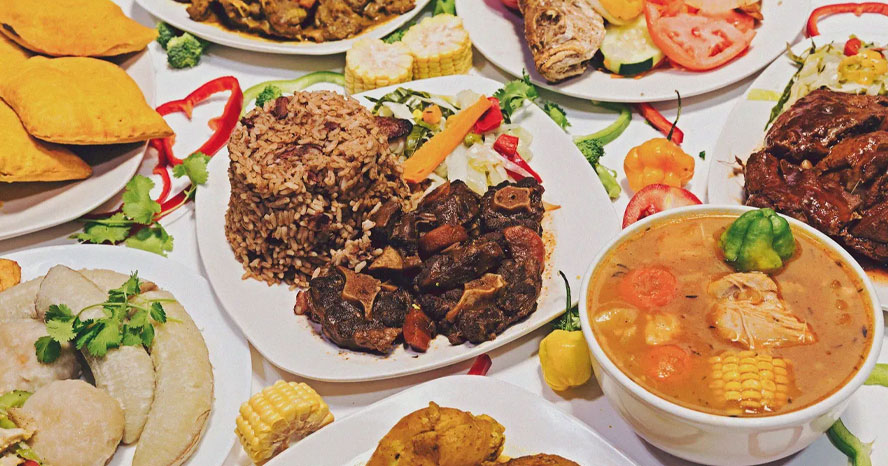
Most People Expect “Different” To Feel Difficult
Trying unfamiliar food sounds adventurous in theory. In reality, many people quietly worry beforehand. What if the flavors are too strong? What if the spice level is overwhelming? What if nothing on the menu feels recognizable? Then the food arrives and something unexpected happens. The meal feels comforting almost immediately. Not because it tastes exactly like something eaten before. Because parts of it feel strangely familiar in ways people do not expect. That reaction happens often with African and Caribbean food.
The Feeling Usually Comes Before The Explanation
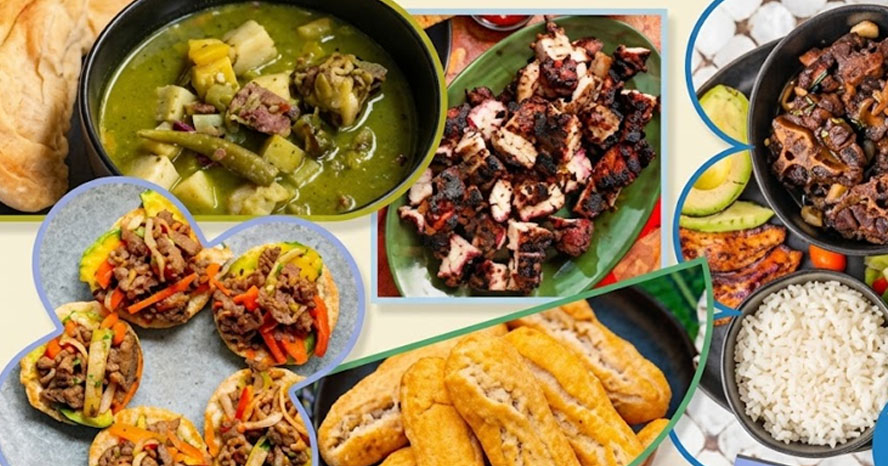
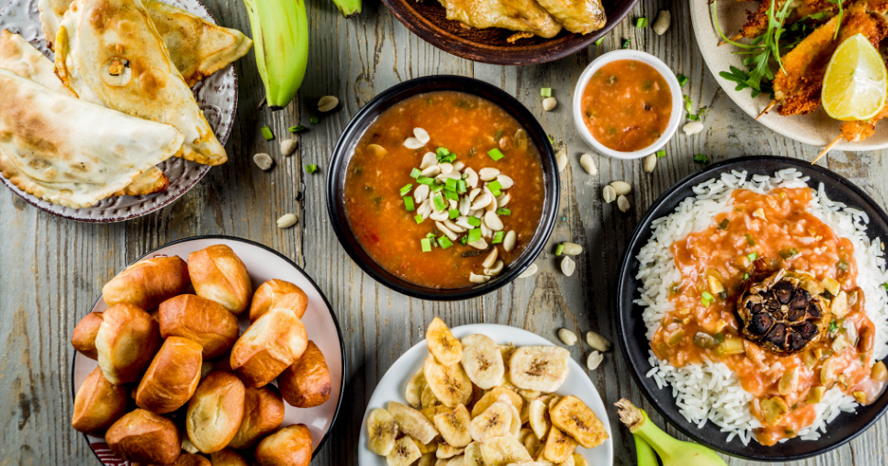
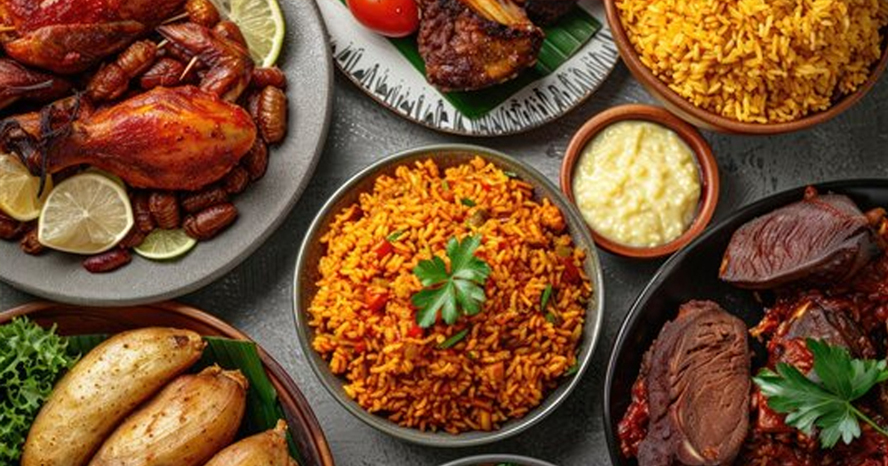
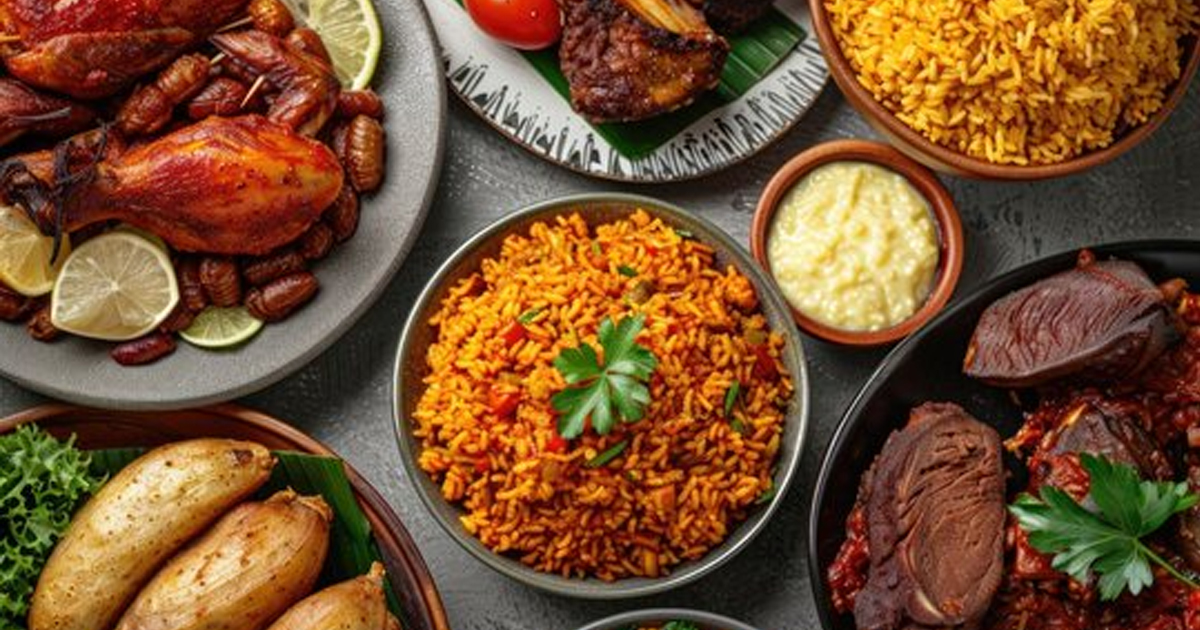
Sometimes people struggle explaining why they enjoy certain meals. They simply know the food feels comforting. Warm rice. Slow cooked meat. Rich sauces. Grilled flavors. Spiced stews. Shared plates placed in the middle of the table. None of these things belong to only one culture. Many communities around the world built meals around similar ideas because food was always meant to feed families, not impress cameras. That familiarity stays with people even when the seasoning or preparation changes.
Family Style Dining Feels Recognizable Almost Everywhere
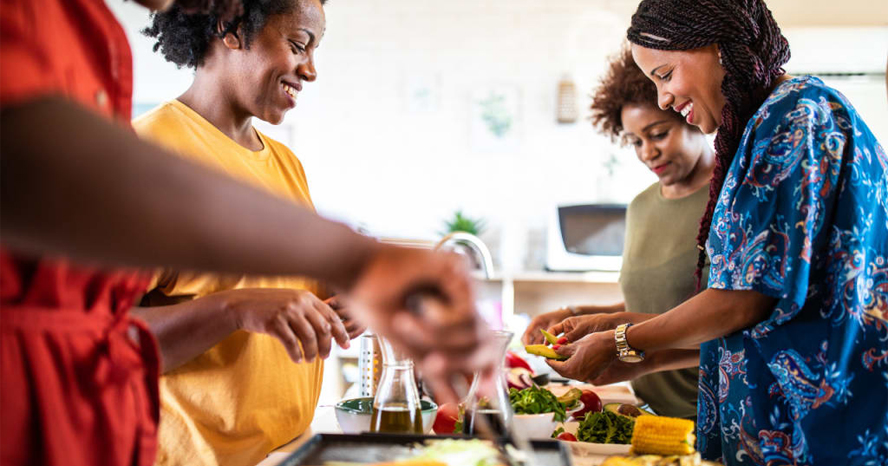
One thing many first time diners notice quickly is how social African and Caribbean meals feel. Food arrives meant for sharing. People pass dishes around. Conversations continue while everyone keeps eating longer than planned. Someone always says they are full before taking another serving anyway. This dynamic feels familiar to many people because food traditions around the world often revolve around togetherness rather than strict formality. The details may change between cultures. The atmosphere rarely feels completely foreign.
Spice Is Not The Same Thing As Heat
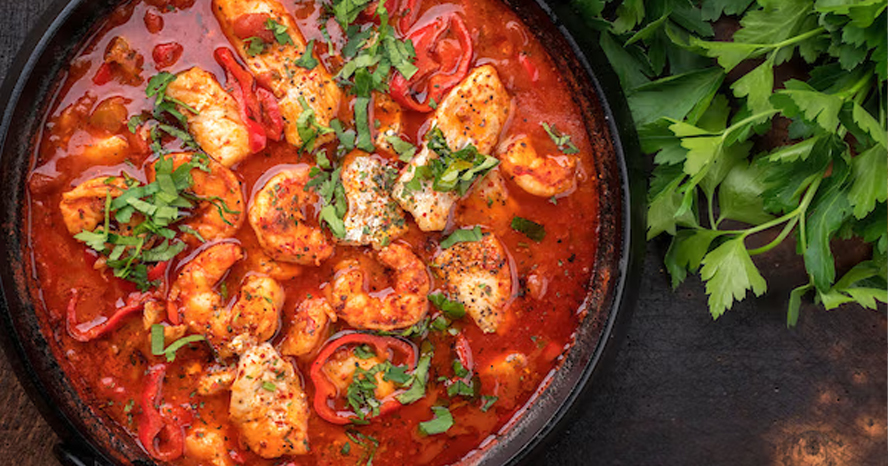
There is a reason some people hesitate before trying African or Caribbean food. They assume everything will be aggressively spicy. That assumption usually disappears after the first few bites. Flavor works differently here. Some dishes feel smoky. Some taste earthy. Some carry sweetness underneath stronger seasoning. Others slowly build warmth rather than immediate heat. A lot of people discover they were expecting intensity when the food is actually balanced. The seasoning stands out. The flavors still feel approachable.
Ingredients Travel Better Than People Realize
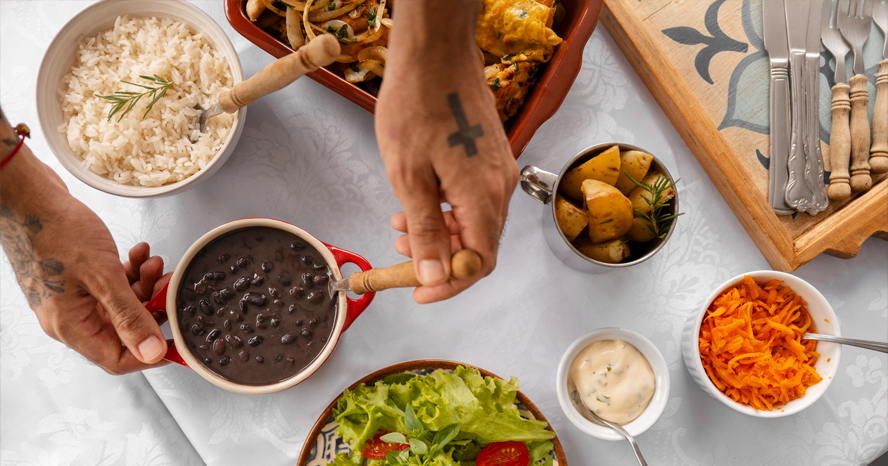
Many diners recognize more ingredients than they expect. Rice appears frequently. Beans appear frequently too. What changes is the way everything comes together. A familiar ingredient suddenly tastes completely different because of seasoning, cooking style, or preparation methods. That combination creates curiosity without making the meal feel intimidating. People like recognizing parts of what they are eating. It gives them something comfortable to hold onto while trying something new.
People Remember The Experience More Than The Ingredients
Ask someone what they loved about a memorable meal and the answer rarely sounds technical. They usually describe the atmosphere first. Who they were with. How long they stayed. How the food kept everyone at the table longer than expected. Great meals tend to blur together with conversation, laughter, music, and shared moments. African and Caribbean dining experiences often leave that kind of impression because the food feels connected to people rather than simply presentation.
Recent Post


Oct 10, 2025
Aug 28, 2025
July 11, 2025
November 24, 2024
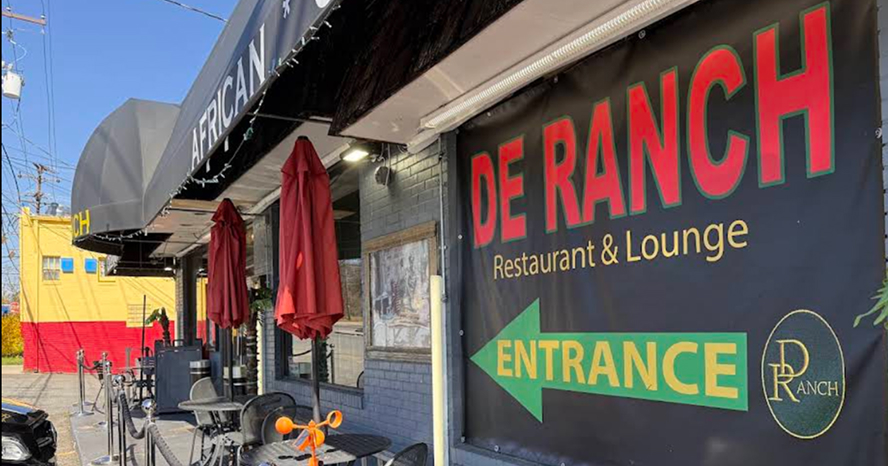
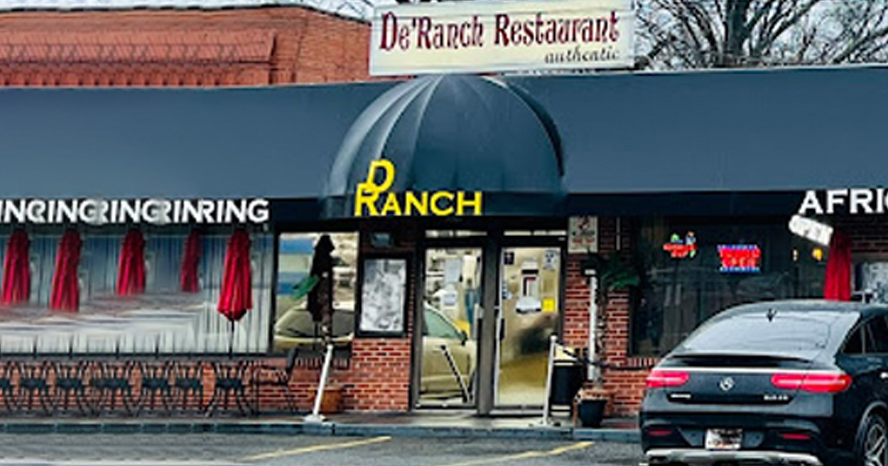
Best African Restaurant in Hyattsville, MD - De Ranch Restaurant & Bar

October 24, 2024
September 24, 2024