- Mon-Thurs: 11am–11pm
- Sun: 12pm–10pm


How Communal Dining Shapes African and Caribbean Culture
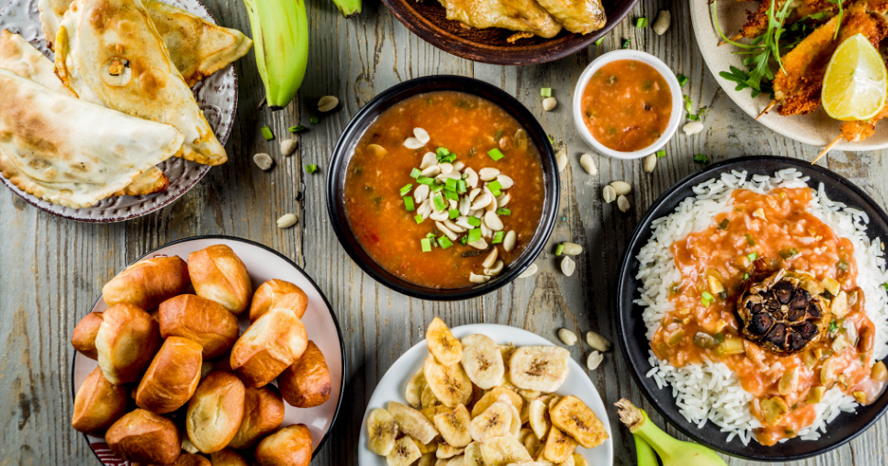
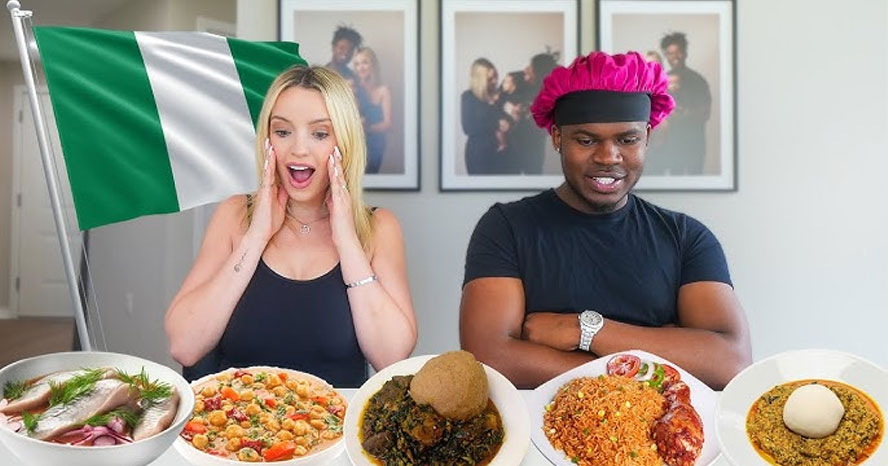
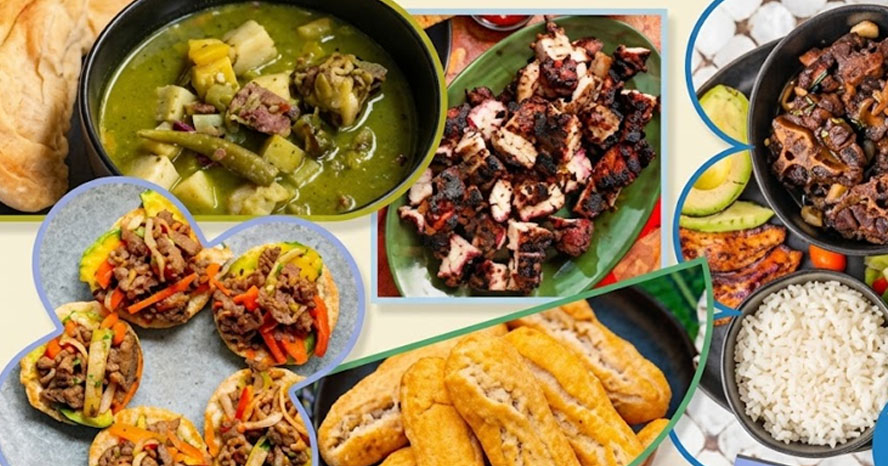
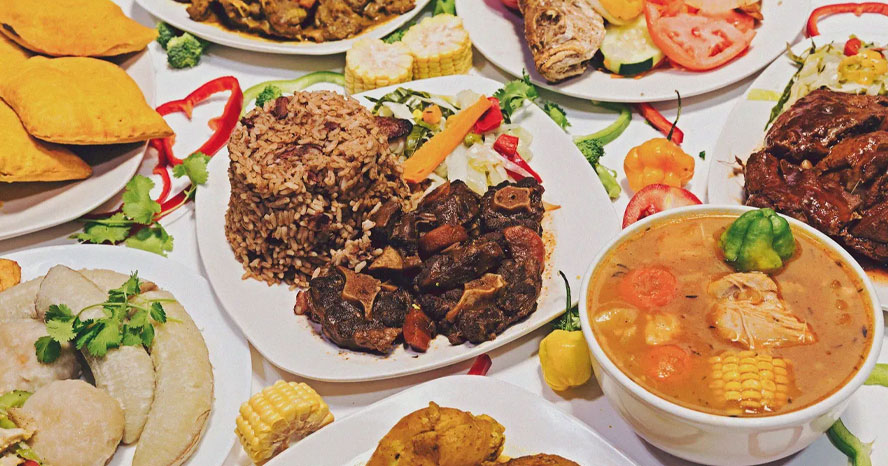
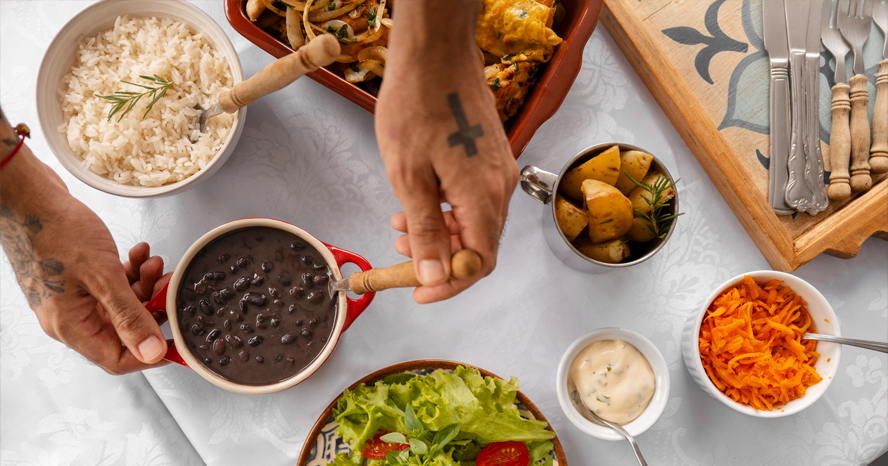
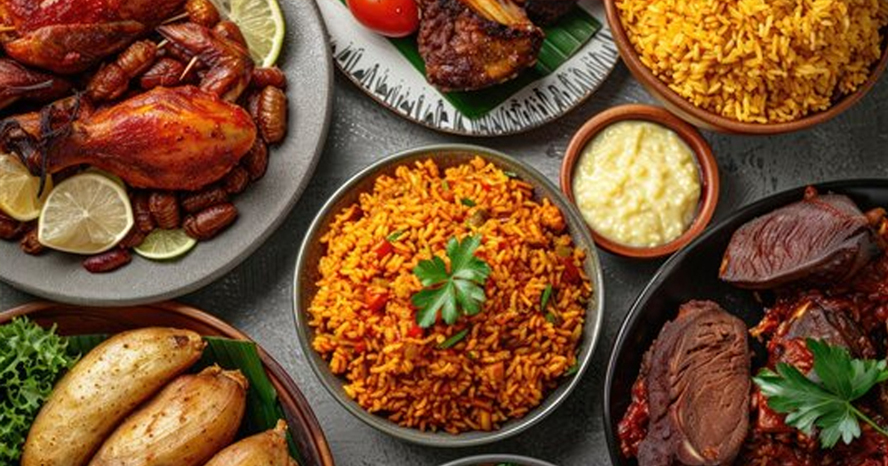
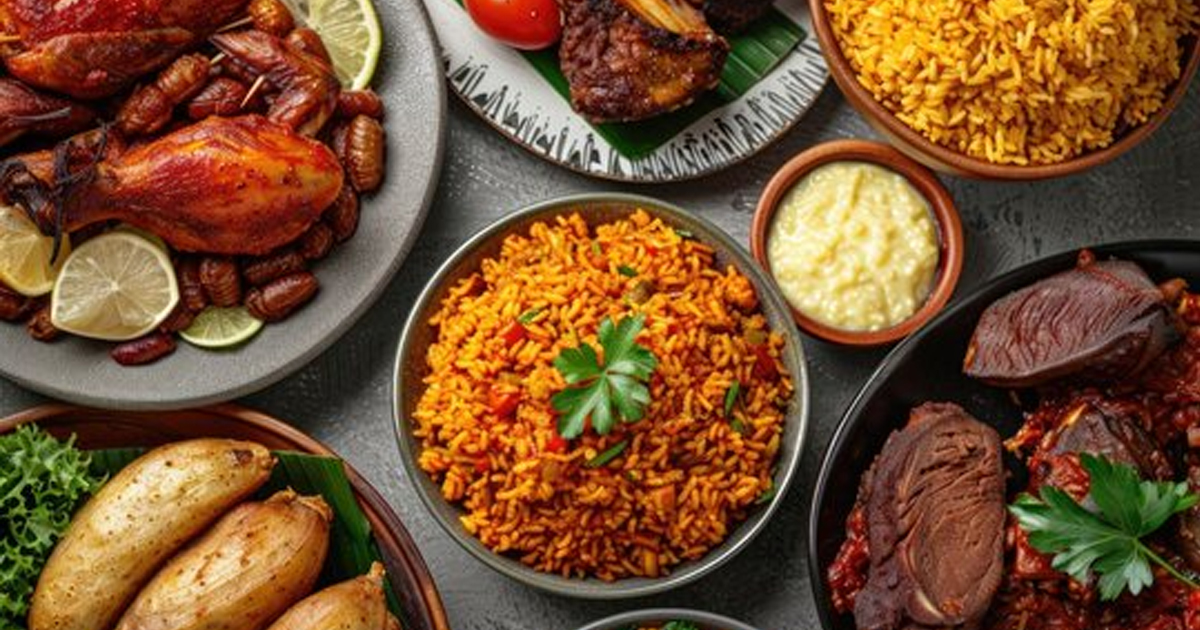
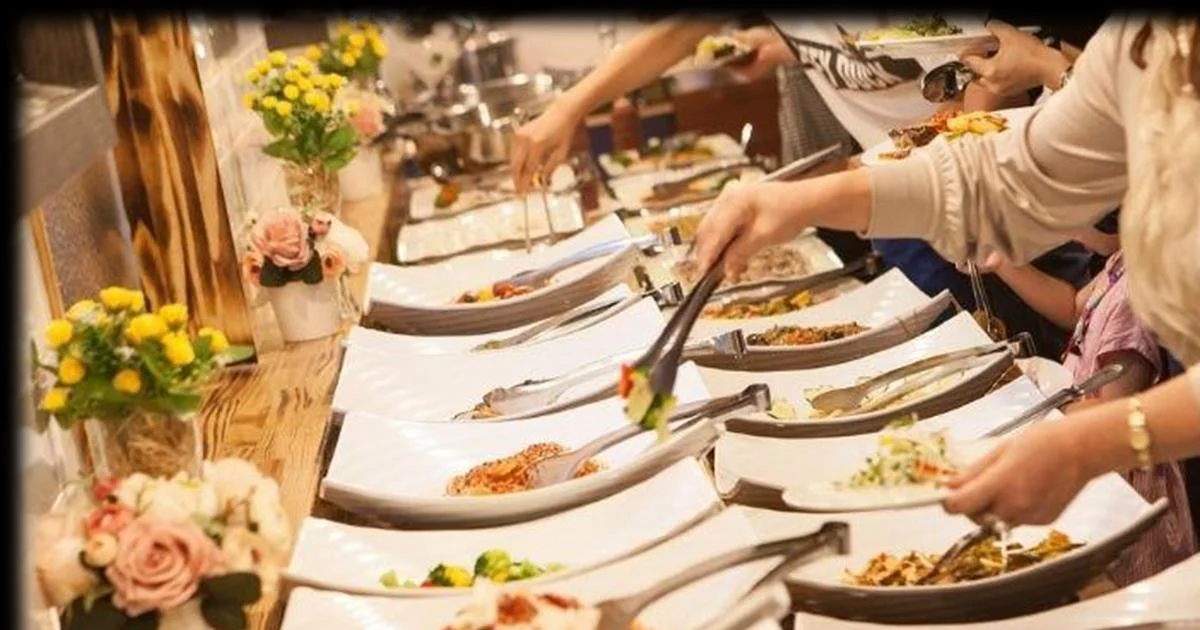
In many African and Caribbean homes, nobody asks, "What did you order?" Because ordering isn't the point. The food arrives in bowls, on platters, sometimes still steaming from the pot. It's placed in the center. Hands reach. Someone serves elders first. Someone insists you take more. You try a little of everything whether you planned to or not. That is how authentic African cuisine and vibrant Caribbean food have traditionally been experienced not as individual plates, but as shared moments.
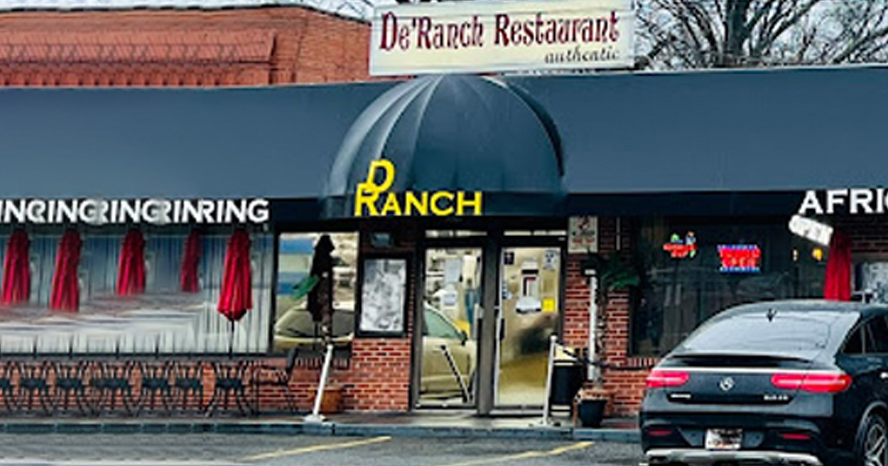
At De Ranch Restaurant & Bar, that spirit isn't treated like decoration. It's the foundation. Because communal dining is not just about presentation. It shapes how people relate to one another.
Food Is Meant to Be Witnessed
In many African and Caribbean households, meals are rarely silent.
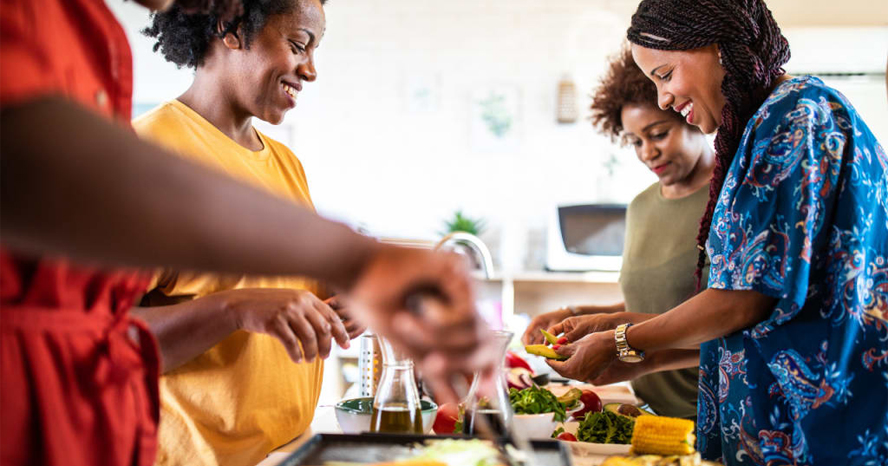
Someone comments on the seasoning. Someone else laughs about who makes it better at home. Stories begin mid-bite. Advice is given over rice. Family news is delivered between spoonfuls of stew. The act of eating becomes layered with conversation. When you share food, you also share reactions. You look at each other when the spice hits. You nod when the sweetness balances it. You pass the plantains without being asked. That exchange builds connection naturally.
Generosity Is Cultural, Not Optional
In many African and Caribbean traditions, hospitality is serious.
If a guest leaves hungry, something feels wrong. Plates are generous. Bowls are replenished. Someone always asks if you've eaten enough. That generosity isn't performative. It's cultural memory carried forward. When enjoying African and Caribbean food prepared with fresh ingredients and respect for tradition, that generosity translates into satisfaction. You feel considered. You feel looked after.
Communal Dining Slows You Down
Shared meals naturally slow the pace. You can't rush when multiple hands are reaching. You can't isolate yourself when conversation surrounds you. The rhythm of eating shifts from quick consumption to steady participation.
In African and Caribbean culture, meals are rarely about efficiency. They are about presence. You taste more carefully when someone next to you reacts first. You try something you might have ignored because someone insists you should. That openness builds memory.
The Table as Cultural Preservation
Diaspora communities often preserve identity through food. Language may shift. Surroundings may change. But the structure of a shared meal remains steady. Large pots. Centered plates. Communal serving. This continuity keeps culture visible and active. When you sit at a table enjoying authentic African cuisine or Caribbean food in its intended style, you are participating in that preservation, whether you realize it or not.
Memory Forms Around People, Not Just Taste
You might forget the exact spice blend. You won't forget who sat across from you. You won't forget who insisted you try the stew again. Or who reached for the last plantain. Shared meals attach faces to flavor. That attachment makes the experience last longer.
Why It Still Matters
In a world that encourages individual everything, individual orders, individual screens, individual schedules, communal dining feels almost rare. But in African and Caribbean culture, it has never disappeared.
It's participation. When you leave the table feeling full, you're not just full from the meal. You're full from the company that came with it.
Recent Post

Oct 10, 2025
Aug 28, 2025
July 11, 2025
November 24, 2024
Best African Restaurant in Hyattsville, MD - De Ranch Restaurant & Bar

October 24, 2024
September 24, 2024