- Mon-Thurs: 11am–11pm
- Sun: 12pm–10pm


From Soil to Spice: Why De Ranch's Food Grown Without Fertilizers Tastes Different
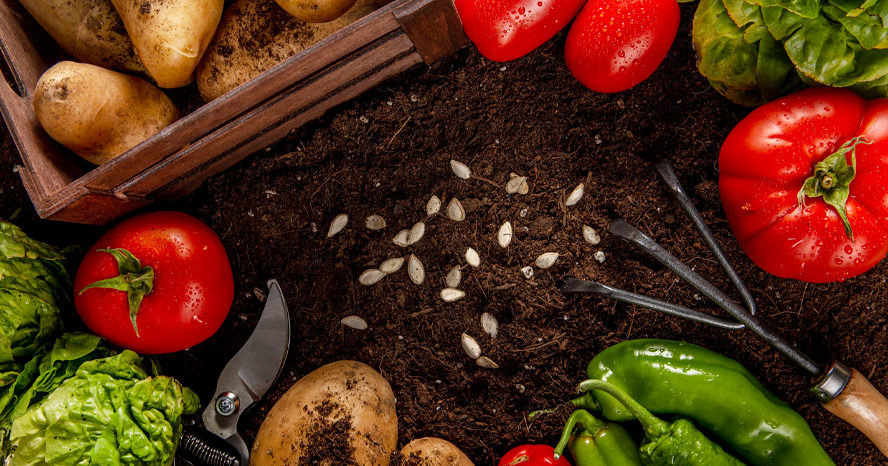
You don't usually think about soil when you sit down at a restaurant. You think about what's on the plate. The color of the stew. The aroma rising from the rice. The heat from the grill. Soil feels far away from that moment.
But it isn't. The way food tastes often begins long before it reaches the kitchen. It begins in the ground it grew from. At De Ranch Restaurant & Bar, many ingredients are sourced directly from African farmlands where traditional farming practices are still respected and chemical fertilizers are not used. That choice affects more than nutrition. It affects flavor in a way you can actually feel.
When Food Grows at Its Own Pace
Plants that are pushed to grow quickly look impressive. They're large. Uniform. Convenient. But growth speed changes character. When crops grow slowly in soil that's been cared for naturally, they build strength gradually. Their roots dig deeper. They draw minerals steadily. They develop flavor over time instead of being rushed toward harvest.
That slower rhythm shows up in taste. A tomato grown traditionally doesn't just taste sweet. It tastes layered. A pepper doesn't just burn. It has depth before the heat arrives. Leafy greens carry a slight earthiness that feels grounded instead of watery. You notice it immediately, even if you can't explain why.
Fast Food Isn't Just About Speed in the Kitchen
Modern agriculture often mirrors fast living. Chemical fertilizers increase yield. They speed up production. They help crops grow bigger and faster. On the surface, that sounds efficient. But efficiency doesn't always equal richness. When plants grow too quickly, they often hold more water and fewer concentrated nutrients. The flavor becomes lighter. Sometimes bland. Sometimes sharp in an artificial way. In authentic African cuisine and traditional Caribbean food, ingredients aren't meant to be bland. They're meant to hold their own against bold spice blends, smoky grilling, and slow simmering. If the base ingredient is weak, the dish feels incomplete.
Spice Needs a Strong Foundation
African and Caribbean cooking relies on balance. Think of thyme, ginger, garlic, scotch bonnet peppers, smoked paprika, curry blends. These aren't background flavors. They're expressive. But seasoning works best when the vegetables, grains, and meats underneath it are strong enough to support it. At De Ranch Restaurant & Bar, when ingredients come from farmland that values traditional methods, the foundation is already solid. The spices don't overpower. They integrate. The result isn't loud. It's cohesive.
You Can Taste the Difference in Stews
Slow cooked stews tell the truth about ingredients. When vegetables are naturally grown, they don't disappear into the sauce. They hold structure. They release flavor gradually. The broth develops complexity without tasting forced. In many traditional African dishes and Caribbean classics, stews simmer patiently. Oils rise to the top slowly. Aromas deepen over time. When the produce was grown without chemical shortcuts, the end result tastes complete. There's no hollow aftertaste. No flatness.
Natural Farming Preserves Character
Traditional African farmlands often rely on crop rotation, composting, and seasonal planting. These practices protect the soil instead of stripping it.
Healthy soil produces ingredients with character. Character shows up in texture. In aroma. In the way flavors linger on your tongue instead of disappearing quickly. That lingering matters. Because memory lives in that space.
Recent Post


Oct 10, 2025
Aug 28, 2025
July 11, 2025
November 24, 2024
Best African Restaurant in Hyattsville, MD - De Ranch Restaurant & Bar

October 24, 2024
September 24, 2024