- Mon-Thurs: 11am–11pm
- Sun: 12pm–10pm


Why Diaspora Food Feels Like Home, Even If You've Never Been There
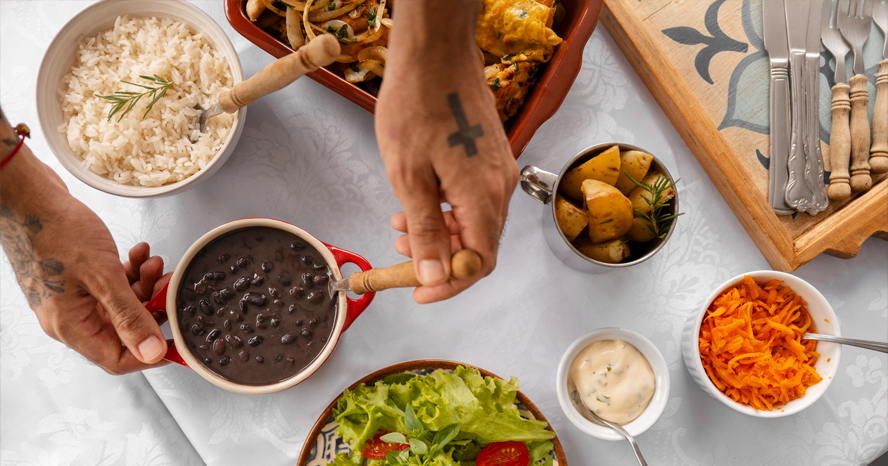
Some meals do more than fill you. They steady you. You sit down, the plate arrives, and before you analyze the ingredients, something settles in your chest. The aroma feels familiar. The seasoning feels confident. The warmth feels grounding. You might not have grown up in West Africa. You might never have visited the Caribbean. And yet, the food feels like it belongs to you. That's the quiet power of diaspora cuisine.
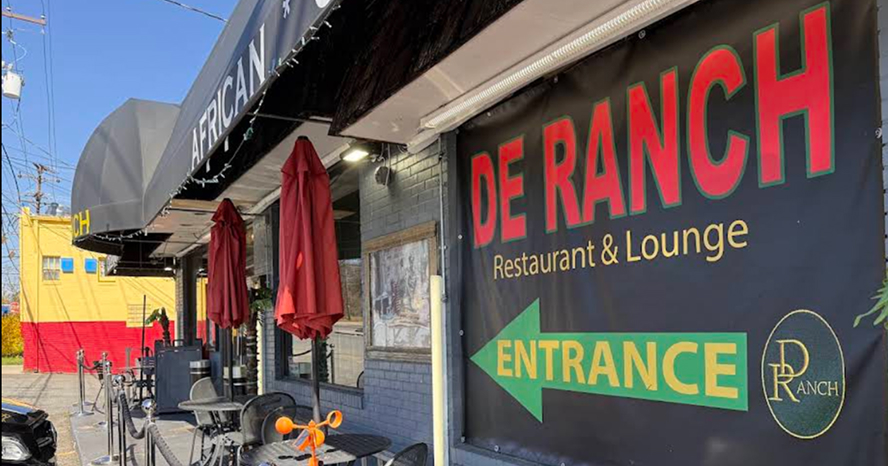
At De Ranch Restaurant & Bar, guests often describe this exact reaction when they experience authentic African and Caribbean food prepared without dilution. The connection isn't accidental. It's human. Food Survives Migration When people move, willingly or not, they carry very little. But they carry recipes. Across generations, African and Caribbean communities rebuilt their food traditions in new lands. Ingredients shifted slightly. Techniques adapted. But flavor memory stayed intact. Garlic still met hot oil first. Peppers were still blended carefully. Stews were still given time instead of rushed. Rice was still cooked with intention. These patterns survived oceans. That endurance gives diaspora food weight. When you taste it, you are tasting something that endured change without losing identity.
Your Body Recognizes Depth
You don't need cultural background to feel authenticity. When ingredients are grown traditionally and used properly, flavor has structure. Peppers carry real heat. Greens taste earthy instead of watered down. Meats absorb seasoning deeply rather than wearing it on the surface. Your palate reacts immediately. There's no confusion about whether the dish was rushed or overly engineered. It feels grounded. Grounded feels safe.
Multicultural Dining Builds Belonging
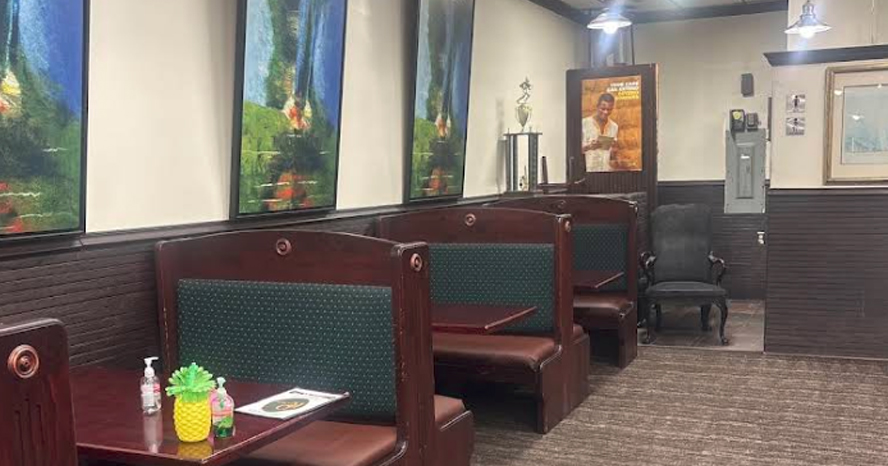
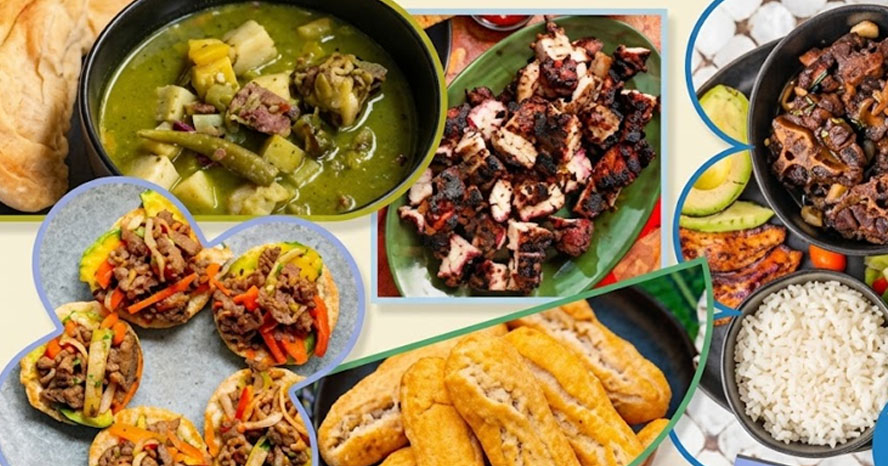
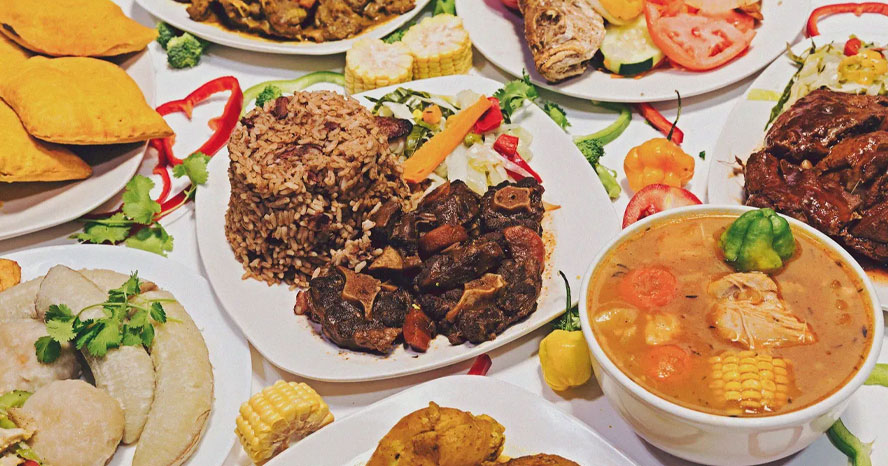
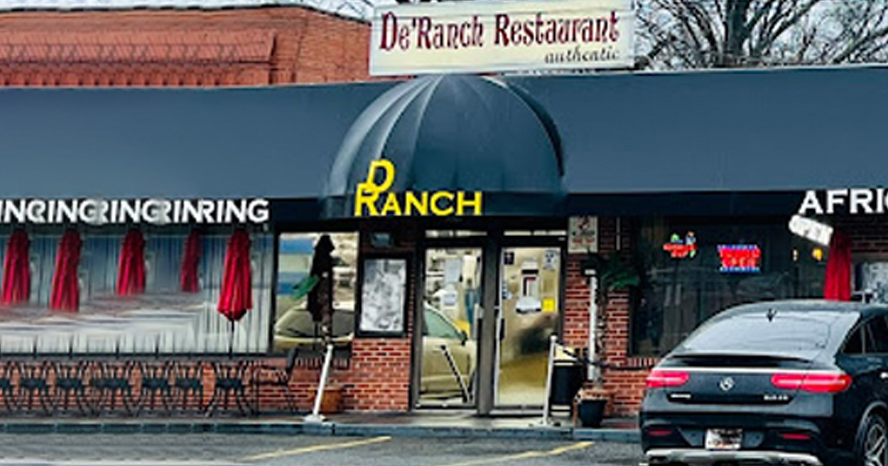
There's something powerful about sitting in a space that celebrates heritage openly. At De Ranch Restaurant & Bar, African and Caribbean culinary traditions aren't adjusted to blend in. They're presented with confidence. The dishes reflect land, climate, and history. For members of the diaspora, that can feel like returning. For first-time guests exploring multicultural food, it feels like being invited into something real rather than curated for trends. And real spaces create belonging quickly.
Soil Still Matters
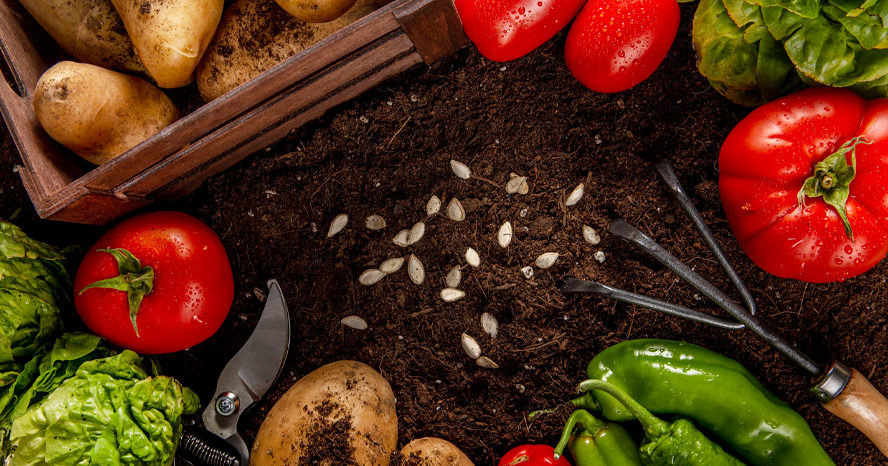
When ingredients are sourced from African farmlands where traditional farming practices remain intact, flavor carries more intensity. Vegetables grown without chemical fertilizers develop differently. They're not forced into rapid growth. They carry mineral richness. They taste alive. That vitality transfers to the plate. When you taste stew made with ingredients that began in healthy soil, you notice clarity instead of flatness. You may not think about farming while eating. But your senses do.
Shared Plates, Shared Energy
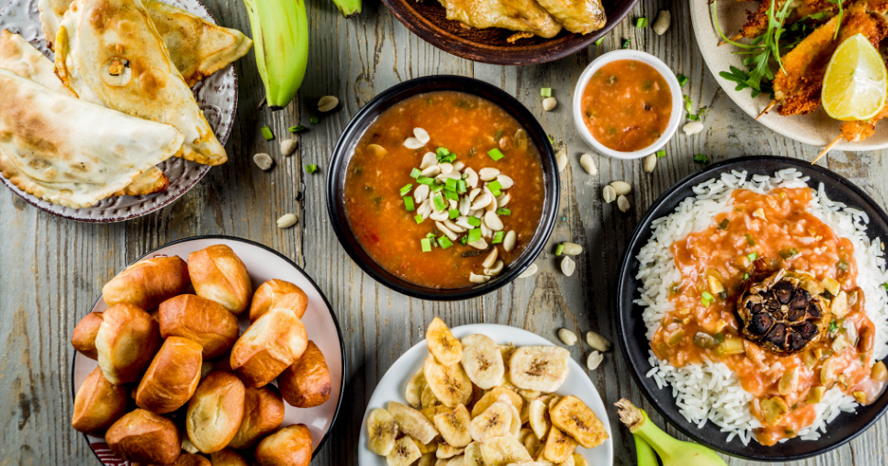
Diaspora food is rarely solitary. In many African and Caribbean households, meals are communal. Plates are generous. Food is placed at the center. Conversation flows alongside the dishes. Even in a restaurant setting, that spirit remains. You don't feel rushed. You feel hosted. That hosting energy shapes how the food lands emotionally.
Home Is Sometimes a Sensation
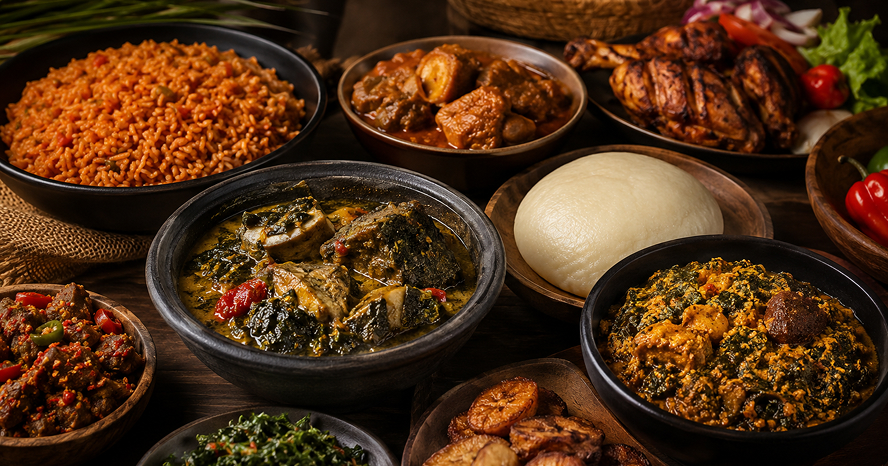
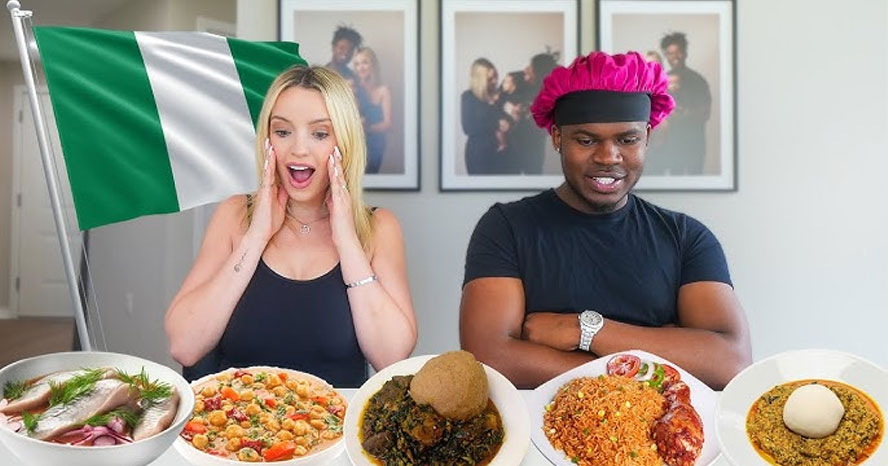
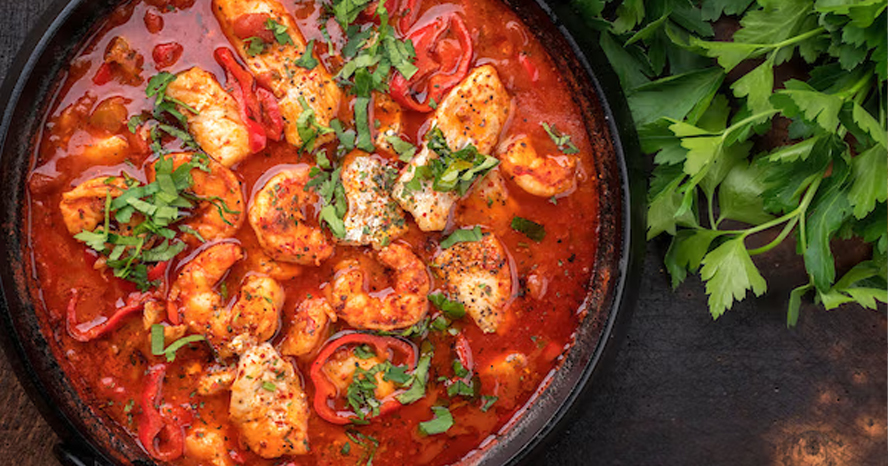
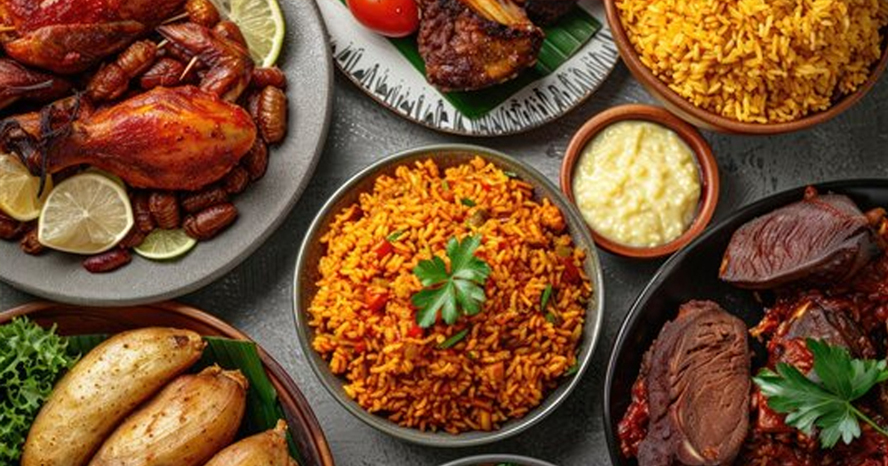
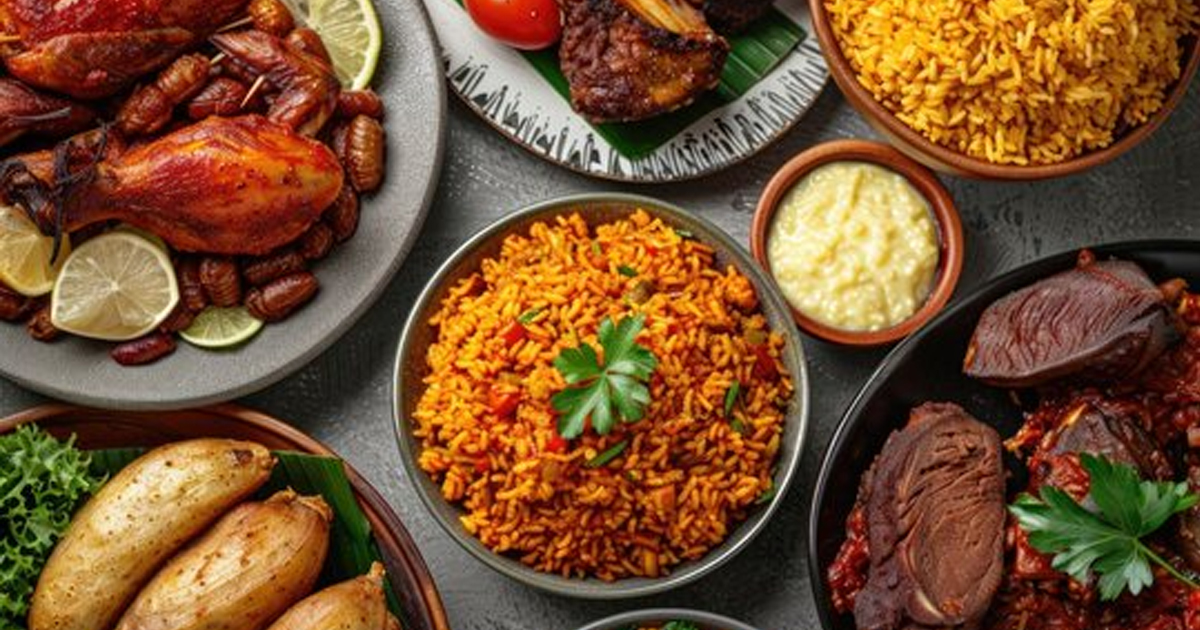
Home doesn't always mean a physical address. Sometimes it's the smell of something simmering slowly. The taste of spice layered with patience. The comfort of food that wasn't watered down to be neutral. For some guests, a plate of jollof rice or a richly seasoned Caribbean stew triggers childhood memory. For others, it simply triggers recognition. Not recognition of a place. Recognition of authenticity.
Recent Post

Oct 10, 2025
Aug 28, 2025
July 11, 2025
November 24, 2024
Best African Restaurant in Hyattsville, MD - De Ranch Restaurant & Bar

October 24, 2024
September 24, 2024