- Mon-Thurs: 11am–11pm
- Sun: 12pm–10pm


The Heat, The Sweet, The Smoke: Breaking Down the Flavor Architecture of Afro-Caribbean Cuisine
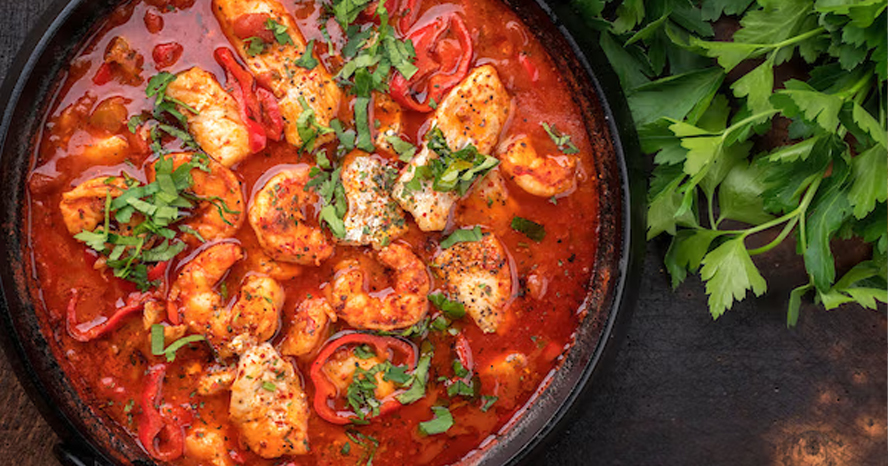
You don't eat Afro-Caribbean food quietly. Even if you're sitting still, something is happening. The first bite lands, and there's a reaction. Maybe it's warmth spreading slowly across your tongue. Maybe it's the sweetness that shows up half a second later. Maybe it's the subtle smokiness that lingers long after you swallow. It's layered. And it's never accidental.
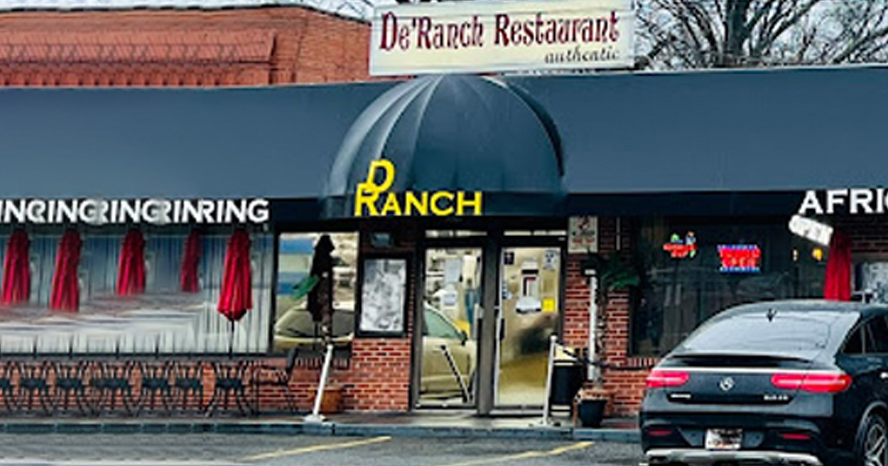
At De Ranch Restaurant & Bar, the structure behind authentic African cuisine and bold Caribbean food isn't random seasoning. It's architecture. Every element has a role. Every flavor enters at the right time. When done right, you don't just taste ingredients. You taste balance. Not dessert sweetness. Not heavy sugar. Onions cooked until golden. Coconut milk adding softness to spicy sauces. Tomatoes breaking down slowly into richness. This sweetness doesn't shout. It stabilizes. Without it, spice would feel sharp and aggressive. With it, heat feels rounded. Comfortable. Even welcoming. That's why Afro-Caribbean cuisine feels bold but not chaotic.
Smoke That Grounds the Plate
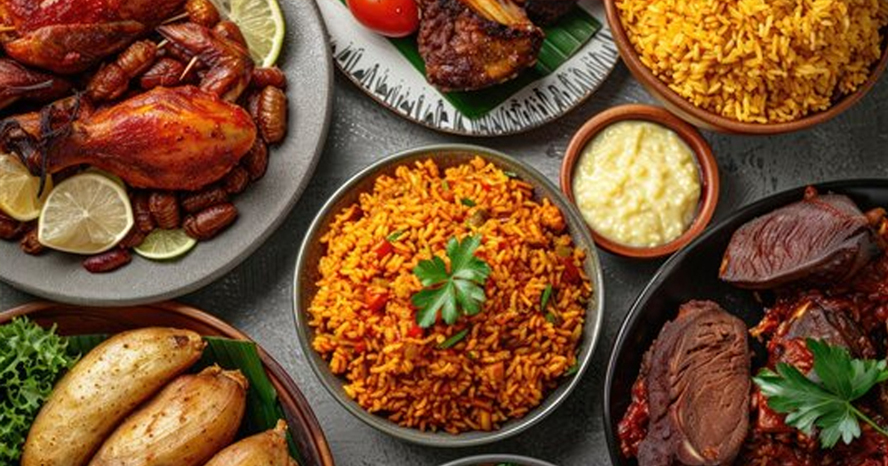
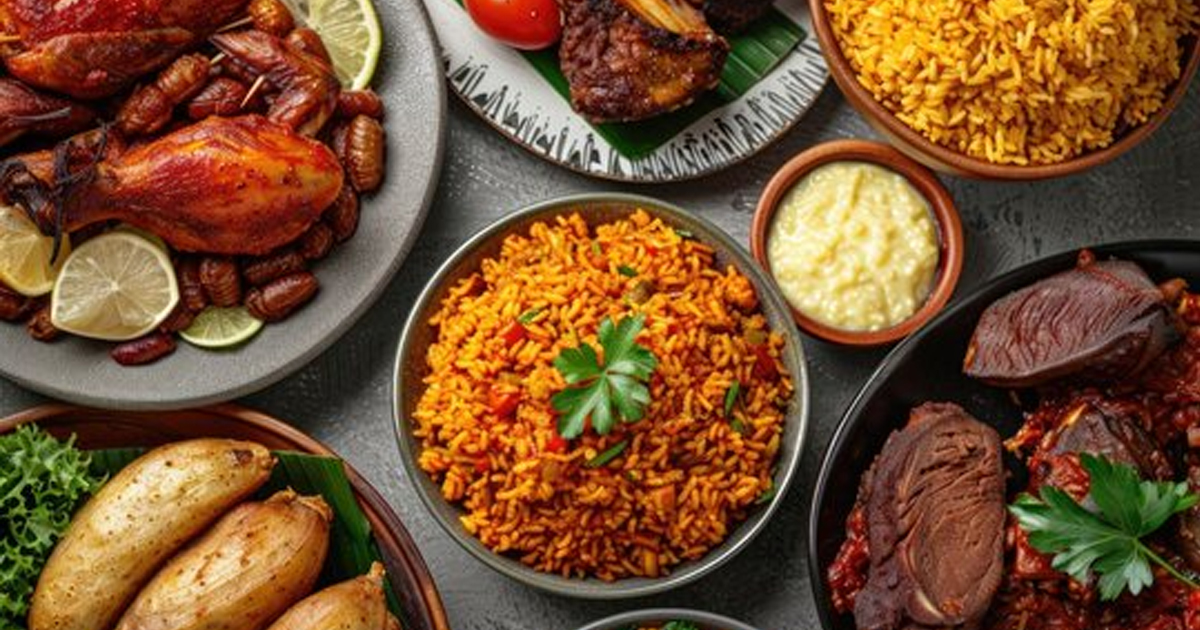
Then there's smoke. The quiet backbone of many African and Caribbean dishes. It shows up in grilled jerk chicken, charred peppers, roasted meats, and even in certain spice blends that carry earthy depth. Smoke adds weight. It slows the pace of the dish. When something is grilled properly, not rushed, not burnt, the outer layer caramelizes naturally. That caramelization creates a deep, slightly smoky flavor that anchors everything else. At De Ranch Restaurant & Bar, grilling isn't treated like a shortcut. It's part of the flavor story. The heat is controlled. Nothing tastes scorched for drama. It tastes matured.
Earthiness That Holds Everything Together
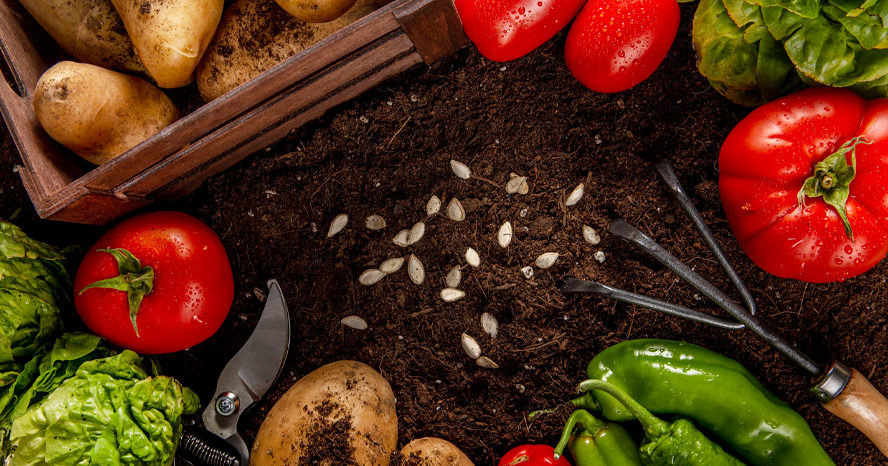
Afro-Caribbean food often relies on ingredients that carry natural earth tones. Leafy greens. Beans. Rice. Root vegetables. When grown traditionally, without chemical fertilizers, these ingredients develop stronger character. Greens taste mineral-rich. Peppers taste vivid instead of watery. Grains carry aroma instead of just texture. That earthiness is what keeps the dish grounded. It prevents the spice from floating. It prevents the sweetness from feeling artificial. It makes the entire plate feel cohesive.
Texture That Keeps You Engaged
Flavor architecture isn't only about taste. It's also about feel. Soft rice beside tender meat. Crisp edges of fried plantains against thick stew. Sauce that coats without drowning. Each texture has purpose. Contrast keeps the palate interested. You don't get bored halfway through. Every bite offers something slightly different. That variation is part of what makes authentic African and Caribbean food so memorable. You can't rush that process. When flavors are given time, they integrate instead of clash. Heat softens. Sweetness deepens. Smoke settles. Everything begins to move together. You don't taste layers fighting for attention. You taste harmony.
Why This Balance Feels So Satisfying
In a lot of modern cooking, bold flavor is mistaken for intensity alone. Extra spice. Extra salt. Extra sauce. Afro-Caribbean cuisine doesn't rely on excess. Earthiness needs lift. Texture needs contrast. When these relationships are respected, the dish feels complete. Not heavy. Not overwhelming. Complete.
More Than Just Spice
Guests often arrive expecting strong seasoning when exploring African and Caribbean dining. What surprises them is how structured it feels. At De Ranch Restaurant & Bar, the goal isn't to overwhelm your palate. It's to guide it. Each bite moves slightly differently than the last. The flavors unfold instead of colliding. You notice sweetness. You finish with smoke.
Recent Post


Oct 10, 2025
Aug 28, 2025
July 11, 2025
November 24, 2024
Best African Restaurant in Hyattsville, MD - De Ranch Restaurant & Bar
October 24, 2024
September 24, 2024