- Mon-Thurs: 11am–11pm
- Sun: 12pm–10pm


The Sound of a Caribbean Kitchen and the Rhythm of African Cooking At De Ranch
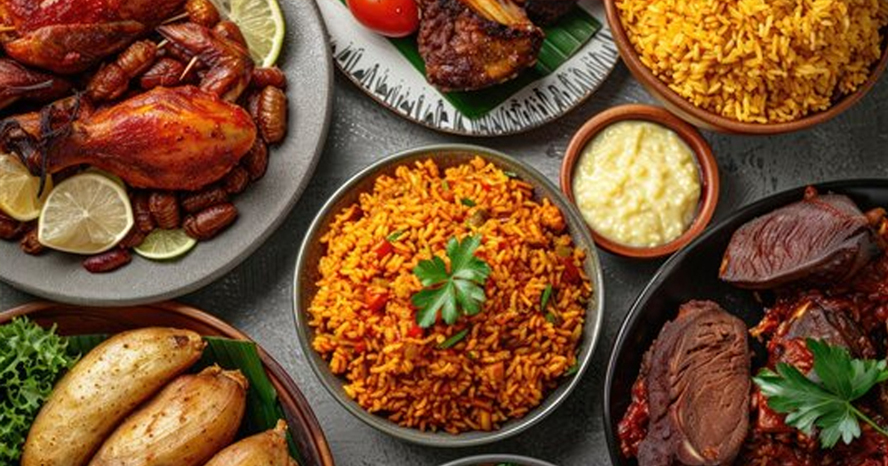
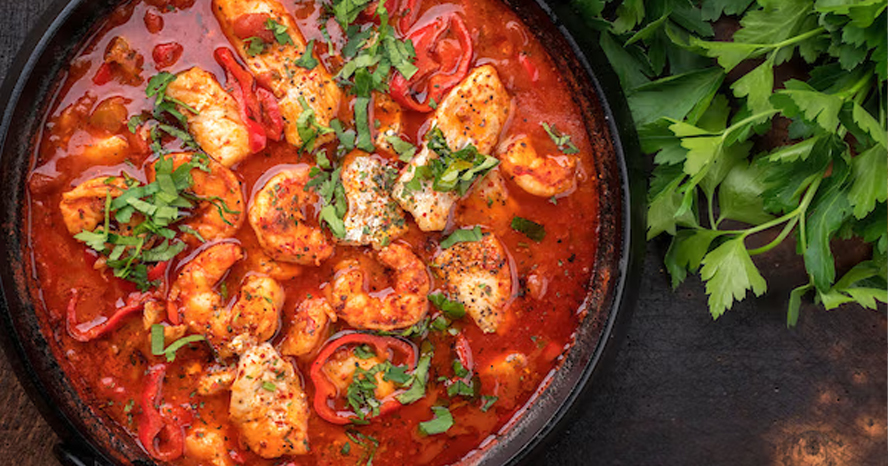
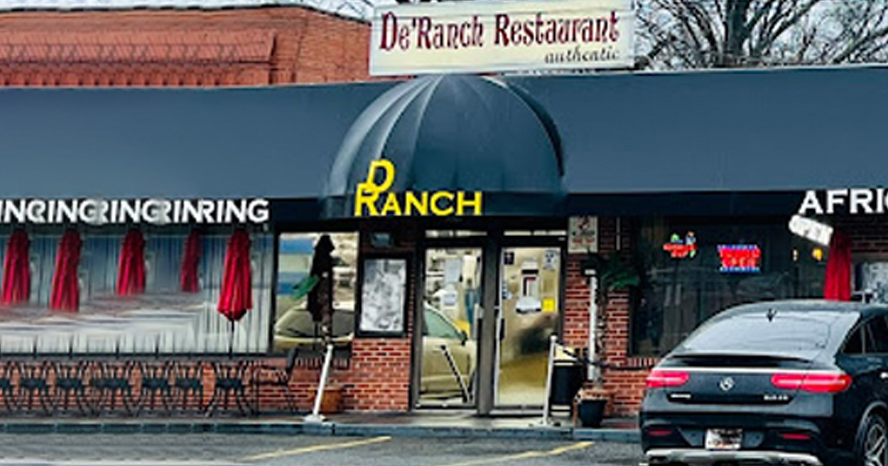
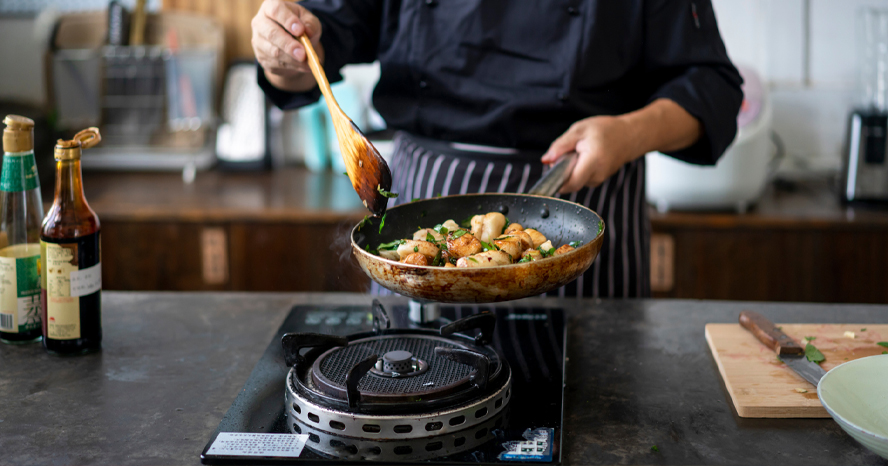
Before you taste the food, you hear it. Not loudly. Not like a performance. Just the natural sounds of real cooking happening. A knife hitting a board in steady beats. Oil reacting the second something seasoned touches the pan. A pot bubbling low in the background, almost like it's breathing. In many traditional homes across Africa and the Caribbean, the kitchen is never silent. It moves. It speaks. It has its own tempo. At De Ranch Restaurant & Bar, that rhythm is not staged. It's part of how authentic African cuisine and bold Caribbean food are meant to be prepared, layered, timed, and felt rather than rushed. Because these cuisines are not just about flavor. They're about flow.
You Can Hear When Flavor Is Building
There's a difference between food being heated and food being developed.
When onions hit hot oil and begin to soften, there's a soft crackle that slowly fades into a gentle sizzle. That shift means sweetness is forming. Garlic follows, releasing aroma almost instantly. Then spices go in, not dumped carelessly, but stirred into warm oil so they open up properly. You can hear when spices bloom. You can hear when heat is too high. You can hear when something needs patience. In many African dishes and traditional Caribbean meals, this listening is part of the craft. Recipes aren't only measured in minutes. They're measured in cues. In scent. In sound.
Cooking That Moves Like Music
African and Caribbean cultures are deeply connected to rhythm, in music, in dance, in speech patterns. That rhythm shows up in cooking too. Stir. Pause. Add. Simmer. Taste. Adjust. There's repetition in it. A steady motion that feels practiced, not mechanical. Someone who has grown up around these foods doesn't rush the process. They know when to let a stew sit. They know when to flip plantains before they darken too much. They know when jerk chicken needs another turn on the grill. It isn't chaotic. It's controlled movement.
The Sizzle That Signals Authenticity
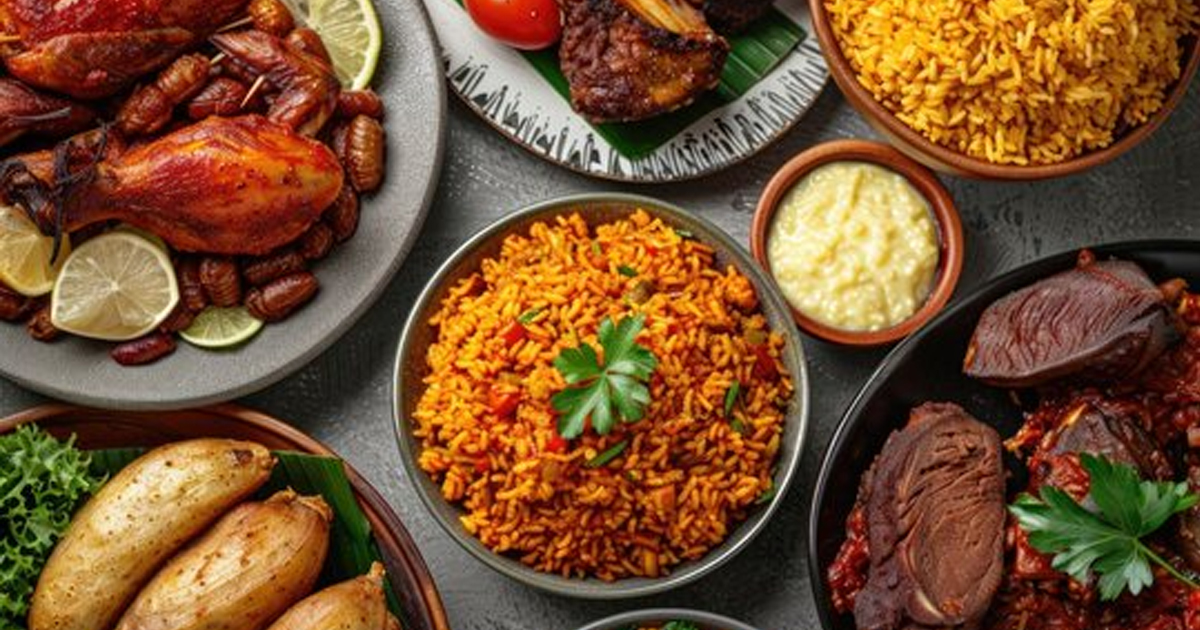
When properly marinated meat touches a hot grill, it doesn't sound weak. It responds with confidence. A firm sear. That sound tells you moisture was managed. In authentic African and Caribbean cuisine, marination matters. Time matters. Heat control matters. You can taste it later. But you can hear it first.
Communal Energy Shapes the Kitchen
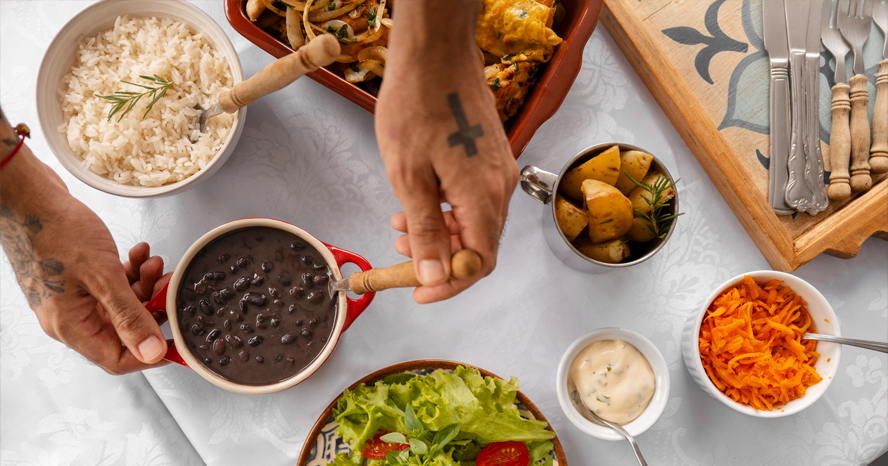
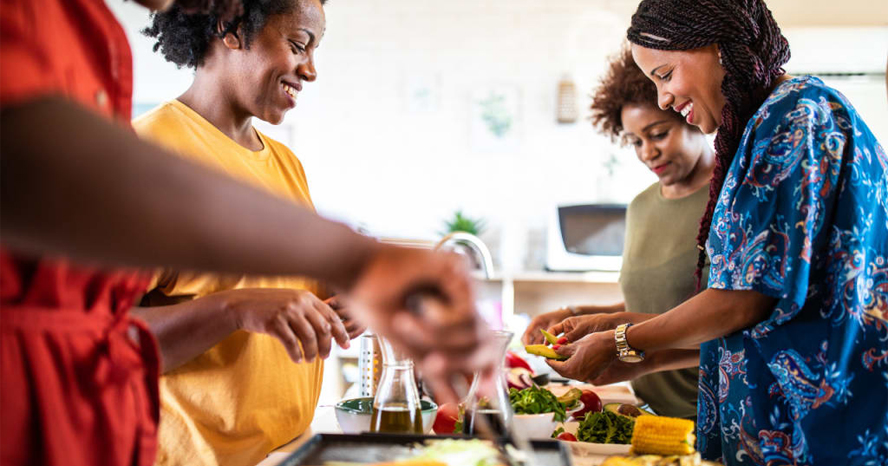
In many African and Caribbean households, cooking isn't isolated. There's conversation happening. Someone tasting from a spoon. Someone adjusting salt. Someone else prepping greens nearby. The room feels alive. That communal energy affects the food. It doesn't feel clinical. It feels human. At De Ranch Restaurant & Bar, the goal isn't just to serve multicultural food. It's to preserve that warmth. That sense that what's happening in the kitchen carries culture, not just technique.
Fresh Ingredients Change the Sound
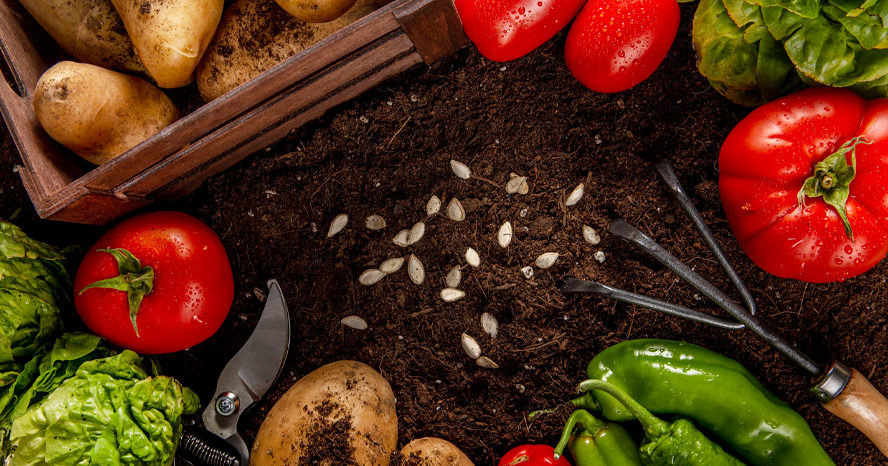
When ingredients are grown traditionally, without chemical fertilizers, they behave differently in the kitchen. Fresh greens don't collapse instantly. They soften gradually. Peppers release fragrance quickly without smelling artificial. Vegetables hold texture instead of turning watery. That difference affects how the food cooks. It affects how it sounds in the pan. And ultimately, it affects how it tastes on your plate.
Recent Post

Oct 10, 2025
Aug 28, 2025
July 11, 2025
November 24, 2024
Best African Restaurant in Hyattsville, MD - De Ranch Restaurant & Bar

October 24, 2024
September 24, 2024