- Mon-Thurs: 11am–11pm
- Sun: 12pm–10pm


More Than A Meal: How Food Connects Stories, Families, And Cultures Across Africa And The Caribbean
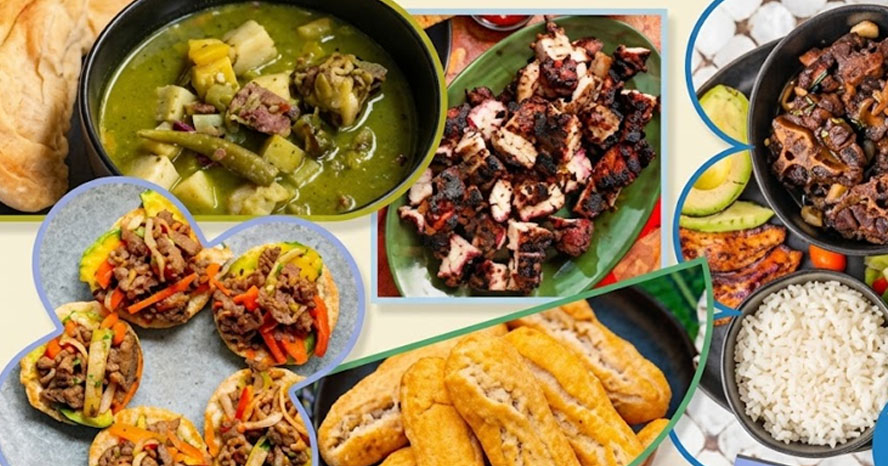
Ask People About Their Favorite Meal And Watch What Happens
Very few people answer immediately with ingredients. They usually start somewhere else. A grandmother cooking in a crowded kitchen. Music playing while food was being prepared. A family gathering that went longer than expected. Someone insisting everyone take more food even when nobody had space left. It is interesting how often food memories are not really about food. They are about people. That connection becomes difficult to ignore when looking at African and Caribbean food traditions because meals have rarely existed as isolated events. They usually arrive with stories attached.
Recipes Travel In Strange Ways
Many traditional recipes survived without measurements. Which sounds impossible now. People learned because they watched someone else repeatedly. A parent. An uncle. A neighbor. An older sibling. Instructions often sounded frustratingly unclear. Add enough seasoning. Cook until the color changes. Wait until the smell feels right. Nobody opened measuring apps. Nobody checked timers constantly. The recipe lived inside repetition. That is partly why two people making the same dish may still create completely different results. Both versions can still feel correct.
Kitchens Often Become Gathering Places Without Anyone Planning It
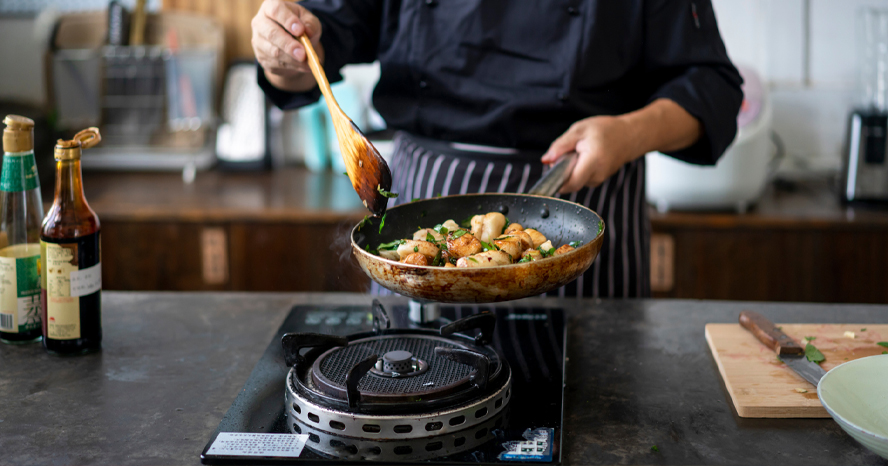
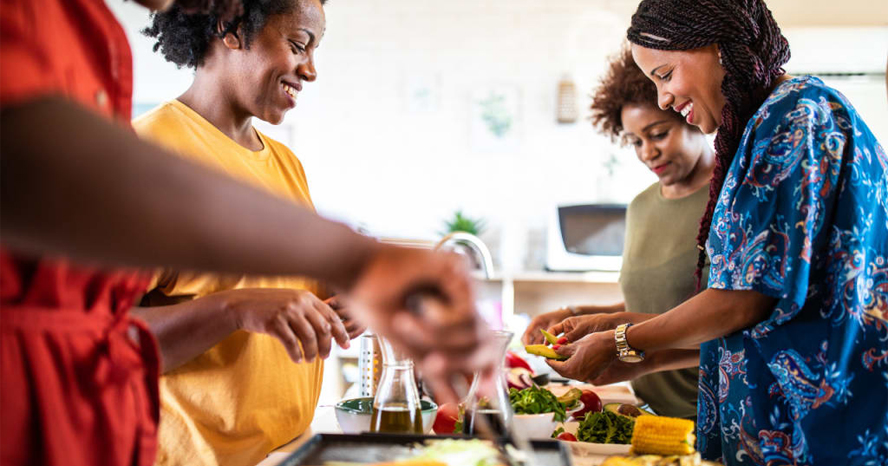
Something happens when food preparation takes time. People stay nearby. Someone helps cut vegetables. Someone tastes sauces. Someone claims they are not hungry while continuing to snack. Long cooking processes quietly create gathering spaces. This may explain why certain meals feel larger than the food itself. The preparation becomes part of the experience too. Many traditional African and Caribbean dishes require time. That time naturally pulls people together. Not intentionally. It simply happens.
Migration Changed Food But Did Not Remove The Emotion Behind
People move. Families relocate. Communities settle in new places. Ingredients disappear. New ingredients appear. Recipes adjust. Many African and Caribbean dishes changed repeatedly because people themselves changed locations repeatedly. What survived was not always the exact recipe. What survived was the desire to recreate familiar experiences. Food became one way people carried pieces of home into unfamiliar places. That emotional connection still exists today.
Smells Usually Start The Memory Before Taste Does
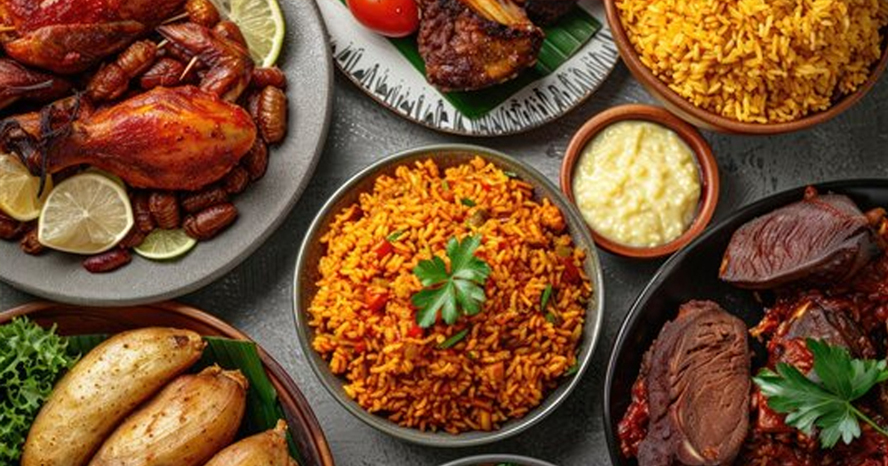
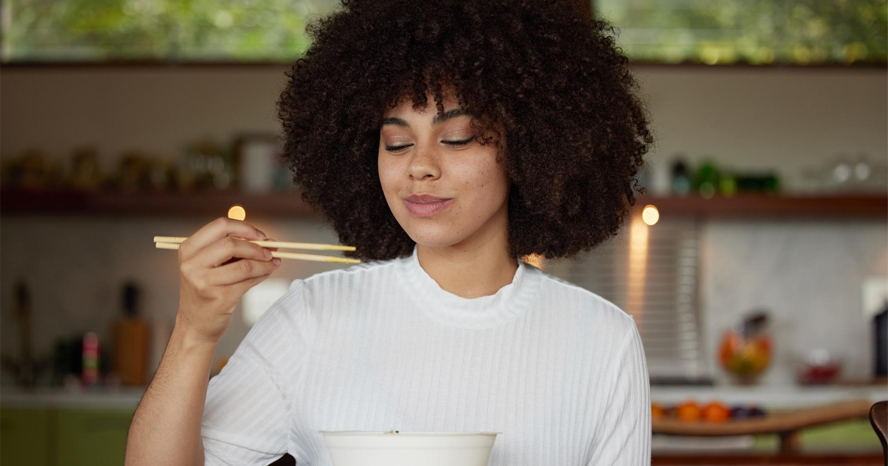
There are certain smells people recognize instantly. Something grilling slowly. Spices warming. Bread cooking nearby. A rich stew that has clearly been simmering for hours. People often react before eating. Sometimes before seeing the food at all. Smell creates shortcuts to memory. That is partly why certain dishes create emotional reactions unexpectedly. People think they remember flavors. Often they remembered aromas first.
Sharing Changes Food Completely
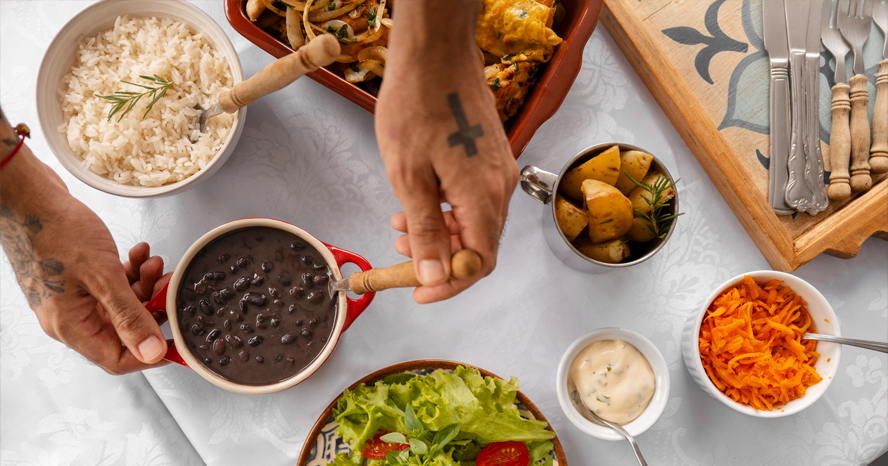
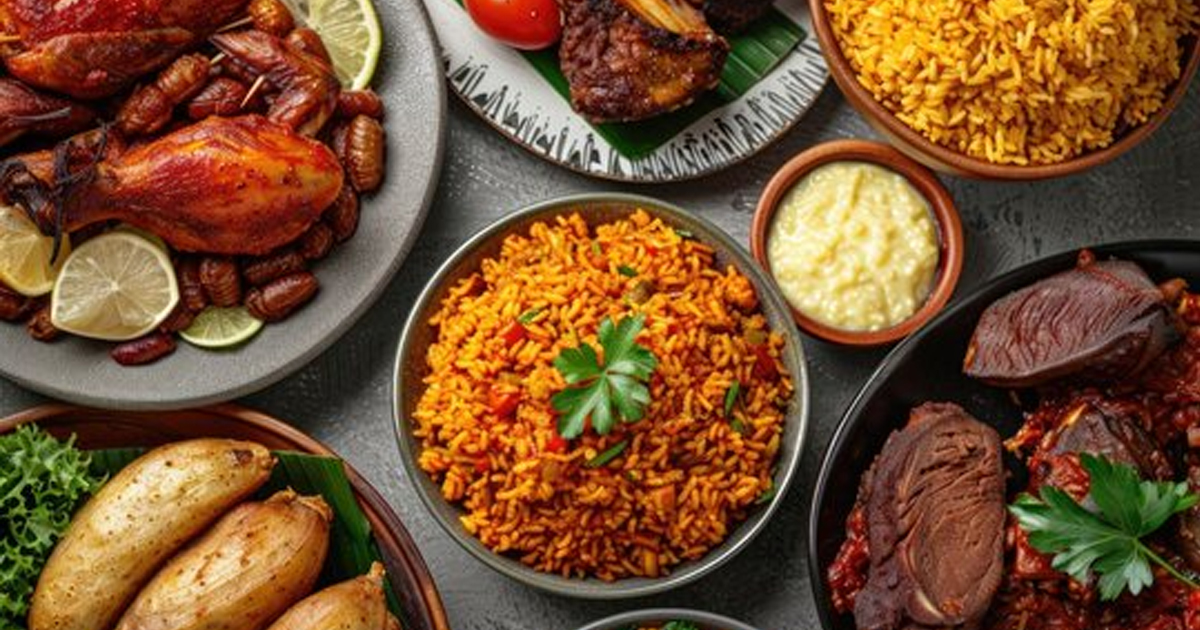
The exact same dish can feel different depending on how it is eaten. Eating quickly alone feels one way. Passing dishes around a table full of people feels different. Large shared meals create pauses. Questions. Recommendations. Stories. Arguments about which dish is better. More food appearing unexpectedly. Many African and Caribbean dining experiences naturally encourage this because meals were traditionally built around groups rather than individuals. The food matters. The interaction changes the experience.
Recent Post
Oct 10, 2025
Aug 28, 2025
July 11, 2025
November 24, 2024
Best African Restaurant in Hyattsville, MD - De Ranch Restaurant & Bar
October 24, 2024
September 24, 2024