- Mon-Thurs: 11am–11pm
- Sun: 12pm–10pm


Trying African Or Caribbean Food For The First Time? Here’s What To Expect At The Table
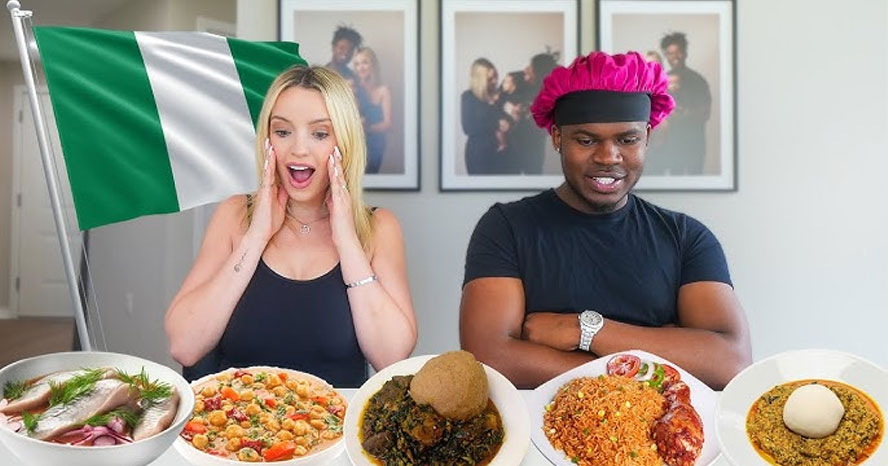
The First Time Usually Starts With Hesitation
People rarely admit this openly. Most first-time restaurant experiences involving unfamiliar cuisines begin with a small amount of uncertainty. You open the menu. Look through dish names. Recognize some words. Ignore others. Then quietly wonder whether ordering something unfamiliar is a good idea. This happens constantly. Not because people dislike trying new things. Because nobody enjoys feeling like they ordered incorrectly. Interestingly, this feeling usually disappears faster than expected.
You Probably Already Eat More Familiar Ingredients Than You Realize
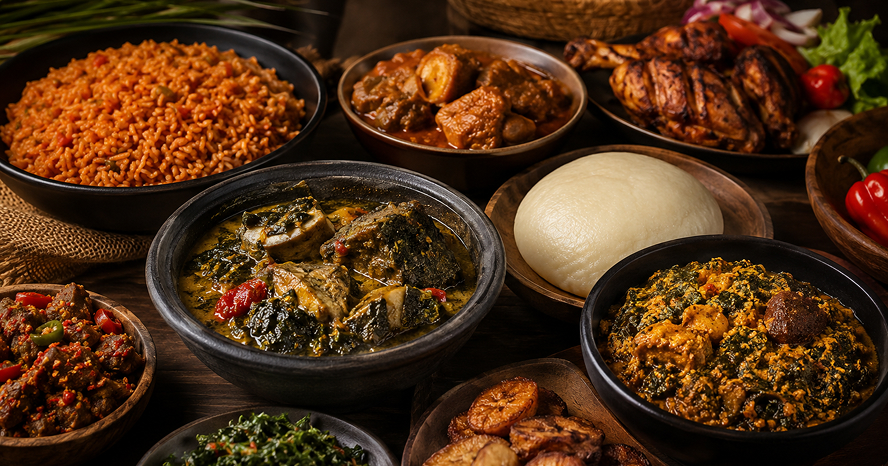
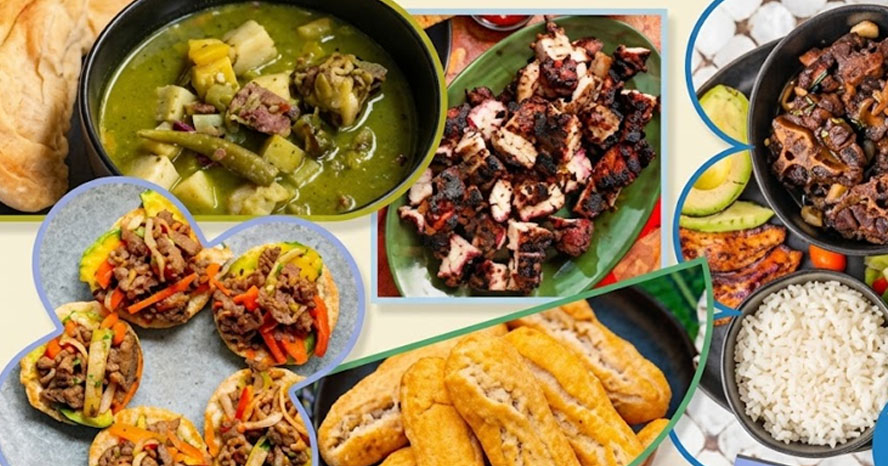
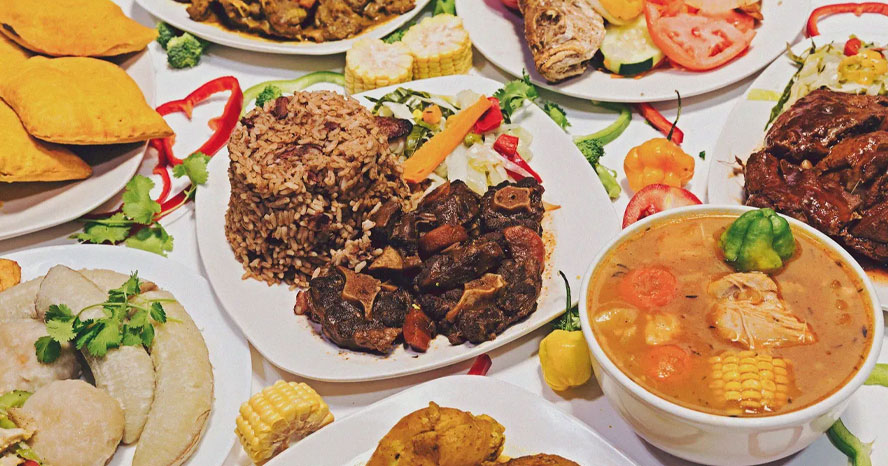
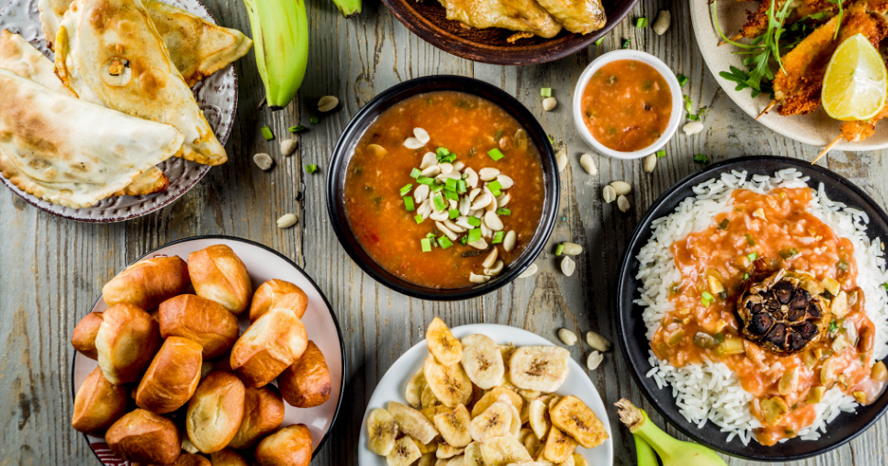
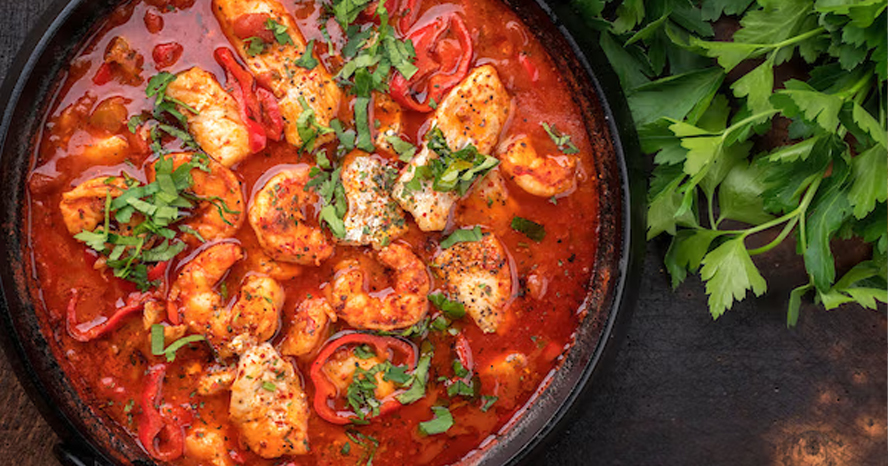
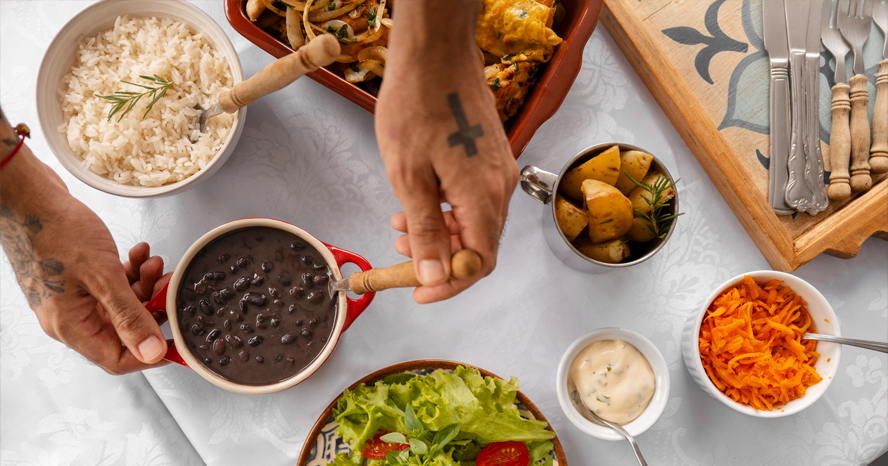
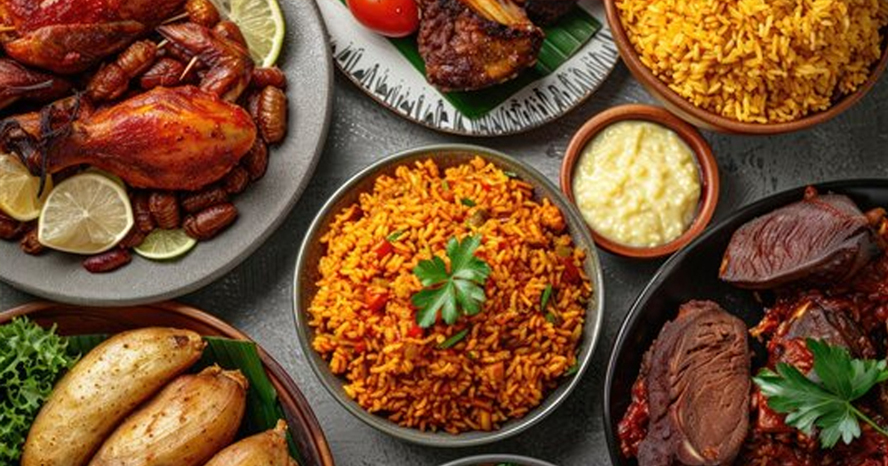
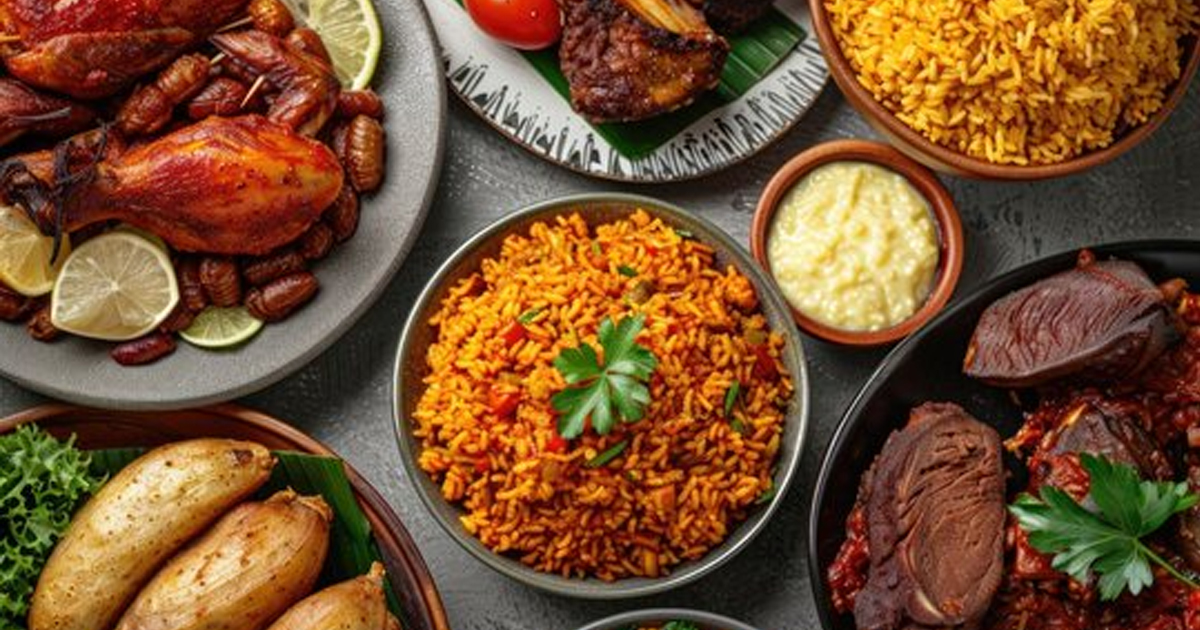
Sometimes people imagine unfamiliar cuisines as completely different from anything they have eaten before. Then the food arrives. Rice. Chicken. Seafood. Beans. Vegetables. Grilled meat. Stews. Fresh herbs. Suddenly the experience feels less intimidating. The difference is usually not that ingredients are unfamiliar. The difference is how those ingredients are seasoned, cooked, layered, and served. People often realize halfway through the meal that they recognize more than they expected.
Menus May Feel Unfamiliar For About Five Minutes
The names can sometimes create more hesitation than the food itself. A menu filled with unfamiliar dishes naturally slows people down. That is normal. Many diners immediately begin looking for the safest option because safety feels easier. Then something usually happens. Someone asks a question. A recommendation appears. Another table orders something that looks interesting. The pressure disappears. Most people do not remember the menu confusion afterward. They remember what they enjoyed.
Spice Questions Usually Arrive Early
There is almost always somebody asking. "Is everything spicy?" Short answer. No. Longer answers. Some dishes absolutely carry heat. Many do not. Flavor works differently here. Sometimes dishes feel smoky. Sometimes rich. Sometimes deeply seasoned without feeling spicy at all. People often confuse seasoning with heat because bold flavors immediately stand out. These are not necessarily the same thing. Many first time diners end up surprised by how balanced things feel. Portion
Sizes Sometimes Catch People Off Guard
There is an interesting moment that happens when food reaches the table. People look at portions. Then look at everyone else. Then quietly realize ordering extra may have been unnecessary. Many African and Caribbean dining traditions developed around feeding groups rather than building perfectly measured individual portions. Large servings naturally followed. Sharing followed too. The meal starts feeling more relaxed because people stop focusing entirely on their own plate.
The Smell Usually Changes Everything
Before tasting happens, something else happens first. The smell reaches the table. Grilled ingredients. Slow cooked sauces. Seasoning hitting heat. Fresh herbs. People often become much less nervous at this stage. Because regardless of where food comes from geographically, good food usually smells inviting. That reaction is universal. Nobody needs experience to know when something smells good.
Expect More Conversation Than You Planned For
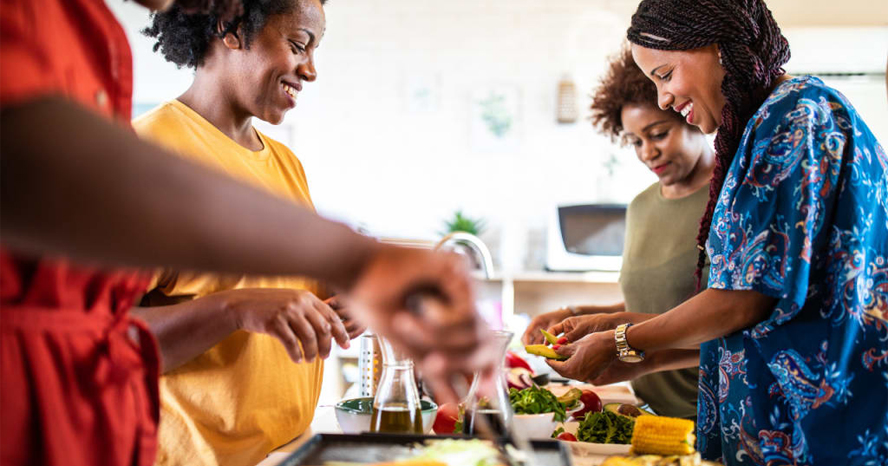
Something interesting happens when unfamiliar food appears. People start talking more. "What did you order?" "Try this." "This tastes different than I expected." Meals naturally become interactive. Questions appear constantly. Sharing becomes normal. This changes the energy completely. Dining becomes less about ordering correctly and more about experiencing something together. Many people remember this part more than individual dishes.
Recent Post

Oct 10, 2025
Aug 28, 2025
July 11, 2025
November 24, 2024
Best African Restaurant in Hyattsville, MD - De Ranch Restaurant & Bar
October 24, 2024
September 24, 2024